Day Hike Turnaround Checklist
Use this day hike turnaround checklist to set a return time, monitor trail conditions, recognize warning signs, and decide when to head back safely.
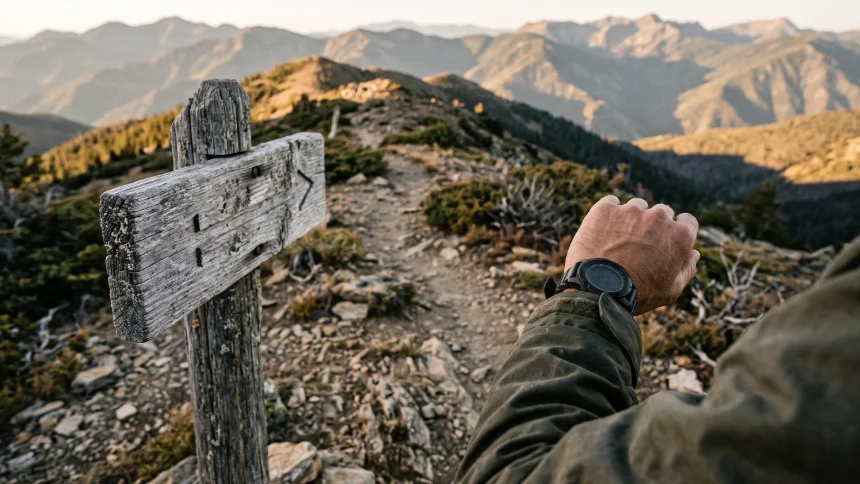
Reaching the summit or finishing a planned loop can feel like the main goal of a hike. But a successful outing also means getting back safely. A turnaround plan helps you avoid rushing before dark, continuing into worsening weather, or pushing beyond your group’s limits. Use this checklist before setting out and whenever conditions change.
1. Set Your Turnaround Time Before Leaving
Choose a time when you will begin heading back, even if you have not reached your destination. Work backward from sunset or the time you need to return to the trailhead. Include time for breaks, slower terrain, navigation mistakes, and unexpected delays.
-
Estimate the total distance and elevation gain
-
Check realistic hiking times for the route
-
Allow extra time for difficult or unfamiliar terrain
-
Set a firm turnaround time
-
Check sunset and available daylight
-
Share your route and expected return time with someone
Do not use reaching a particular landmark as your only turnaround rule. If you arrive late, feel exhausted, or encounter unexpected conditions, turn back even if the destination seems close.
2. Check Conditions at the Trailhead
The trail may look different from what you expected when planning at home. Reassess the weather, trail surface, water levels, and your group’s readiness before committing to the route.
-
Weather matches the conditions you prepared for
-
No new trail closures or hazard warnings
-
Everyone has suitable clothing and footwear
-
Everyone has enough food and water
-
Navigation tools and emergency lighting are ready
-
A shorter route or alternative plan is available
If severe weather, dangerous flooding, or an official closure makes the route unsafe, choose another route or cancel the hike. A turnaround time is not a reason to proceed when conditions are already dangerous.
3. Monitor Your Progress on the Trail
Check your location and progress at natural stopping points rather than waiting until you feel far behind schedule. Compare your actual pace with your original estimate, and remember that the return journey may take longer than the outward leg.
-
Confirm your location at trail junctions
-
Check elapsed time and remaining distance
-
Notice changes in weather and visibility
-
Monitor everyone’s energy, comfort, and hydration
-
Keep enough daylight for the return journey
4. Know When It Is Time to Turn Back
Reaching your destination is optional. Returning safely is the priority. Do not let a nearly completed route, a scenic viewpoint, or the effort already spent convince you to ignore warning signs.
-
Your planned turnaround time has arrived
-
The group is moving significantly slower than expected
-
Cloud, wind, rain, or visibility is deteriorating
-
The trail is more difficult or exposed than anticipated
-
Someone has pain, unusual fatigue, or feels unwell
-
Water, food, or daylight is becoming insufficient
-
You are uncertain about the route or a crossing
If you are unsure whether to continue, choose the more conservative option. Never cross swollen streams or attempt exposed terrain simply because turning around feels disappointing.
5. Reassess Before Starting the Return
Before heading back, make sure everyone understands the plan. Check the route, estimate the time needed to return, and identify any hazards that may be harder to manage in the opposite direction.
-
Confirm the return route
-
Check remaining daylight and weather
-
Drink water and eat a snack if needed
-
Adjust clothing for changing temperatures
-
Keep navigation and lighting accessible
-
Stay together or follow an agreed group plan
6. Close Out Your Hike
Once back at the trailhead, let your designated contact know you have returned. If your plans changed substantially, share the updated route or timing as soon as it is safe to do so.
After the trip, note where your pace differed from expectations and whether your turnaround time was realistic. These observations can make future hikes easier to plan.
Remember: A turnaround decision is a sign of good judgment, not failure. Reaching home safely matters more than completing every planned mile.
Final Check Before Every Day Hike
Set a clear return time, monitor conditions, and agree on the warning signs that mean the group should turn around. A simple plan made before the hike can help you make calmer decisions when the trail becomes harder than expected.