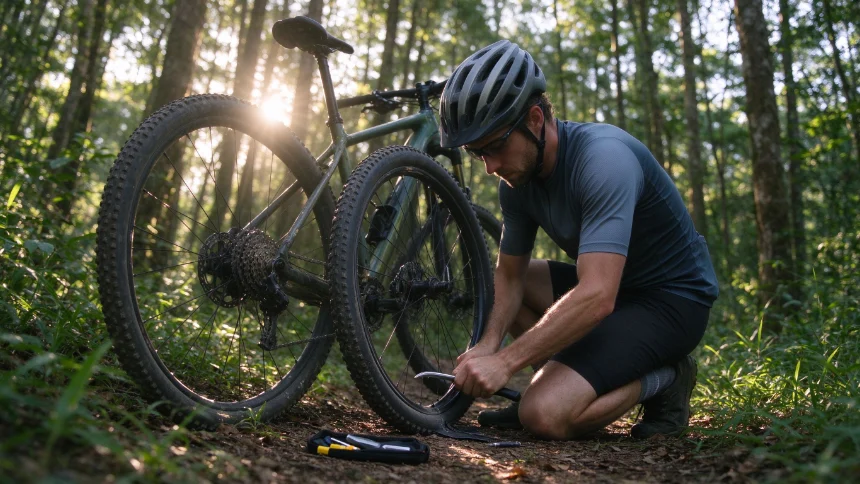
How to Fix Common Bike Issues on the Trail
A trailside repair is only appropriate when the fault is understood and the bike can be checked safely. Learn what to carry, how to handle a puncture, and when to walk out.
Read GuideClean, dry, repair, and store common hiking and camping gear without damaging the materials.
A trailside repair is only appropriate when the fault is understood and the bike can be checked safely. Learn what to carry, how to handle a puncture, and when to walk out.
Read Guide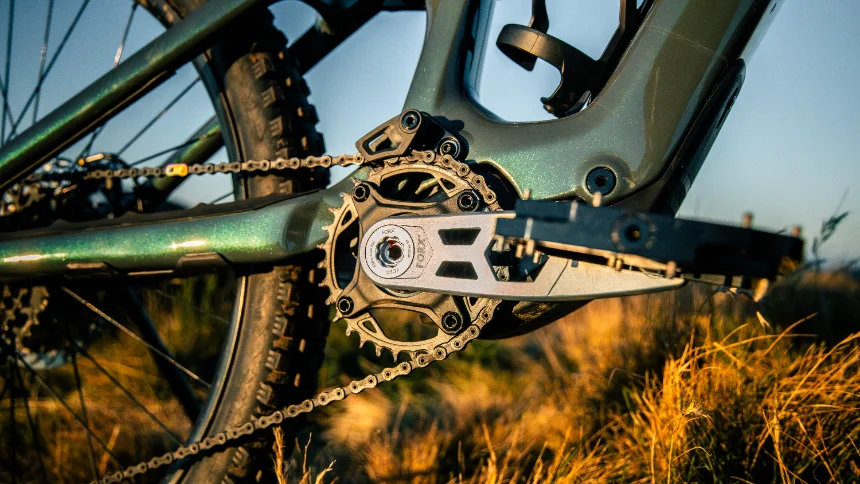
A visual check and gentle cleaning can help you spot obvious crankset problems. If a part feels loose, is damaged, or makes a persistent noise, stop and ask a mechanic to inspect it.
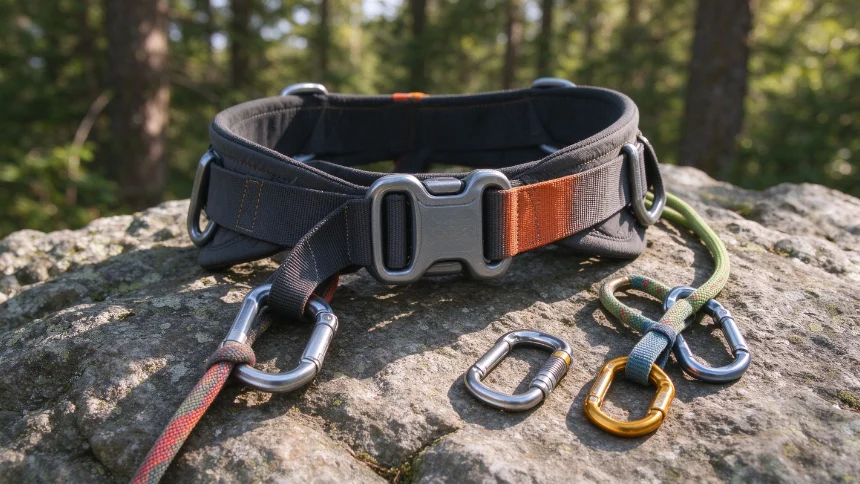
Your climbing harness is the piece that keeps you connected to the rock. Tiny, easy-to-miss mistakes while you're using it or packing it away can slowly wear the webbing out. Even if you only get out climbing on weekends, a few simple care habits go a long way.
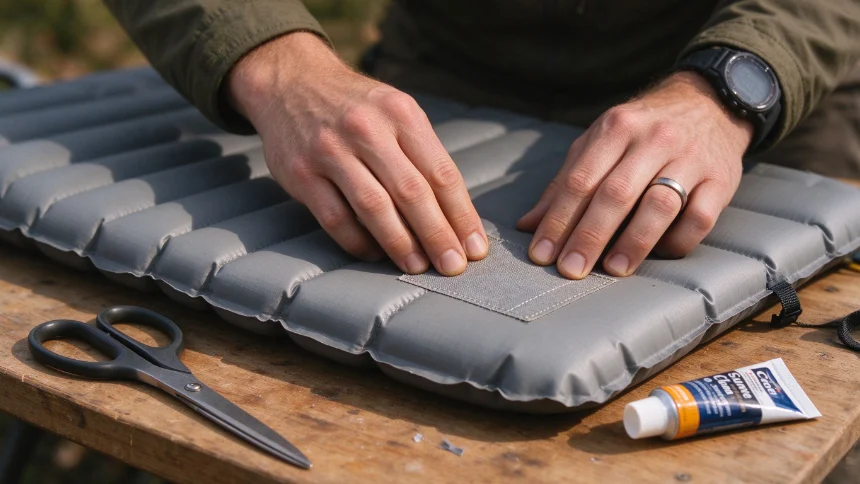
Locate a small leak and repair it with the method and materials approved for your exact sleeping pad. Check the patch at home before relying on it for a trip.
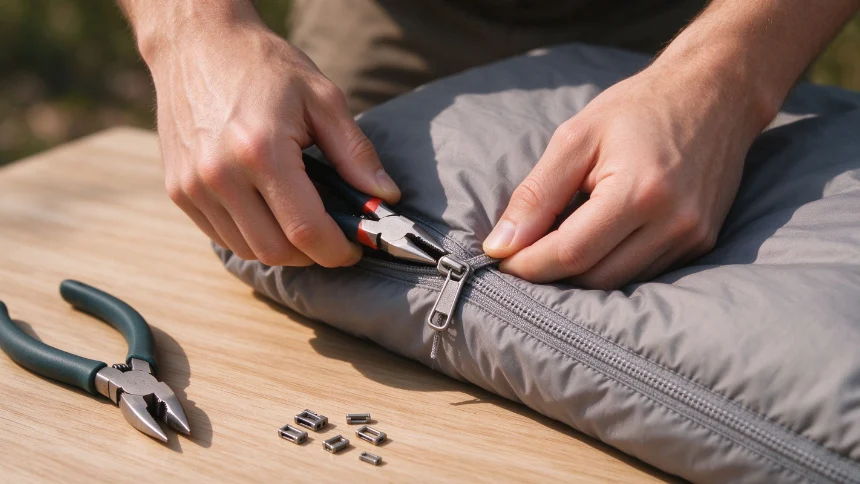
A zipper that separates may have a worn slider, trapped fabric, or damaged teeth. Check the cause first, and use only a compatible replacement part or a repair service.
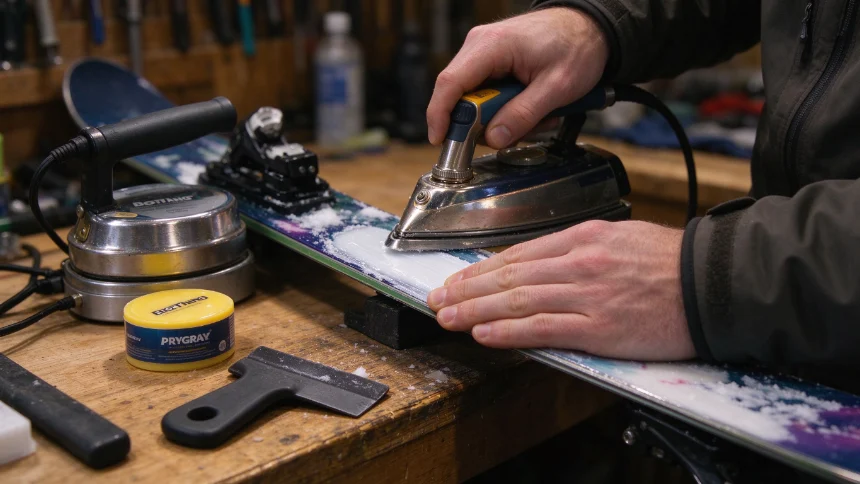
A home glide wax requires a suitable wax and iron, ventilation, and careful temperature control. Follow the wax maker's directions and leave base or edge damage to a shop.
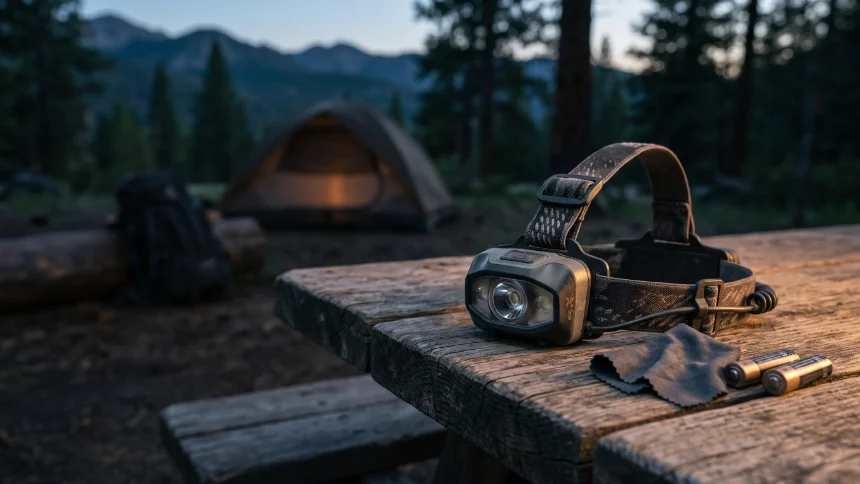
A headlamp often sits unnoticed in a pack until the light starts flickering, a button feels gritty, or the battery is flat just when you need both hands free. Dirt, moisture, and poor battery storage can all cause avoidable problems, but cleaning a headlamp takes a lighter touch than cleaning most fabric gear.
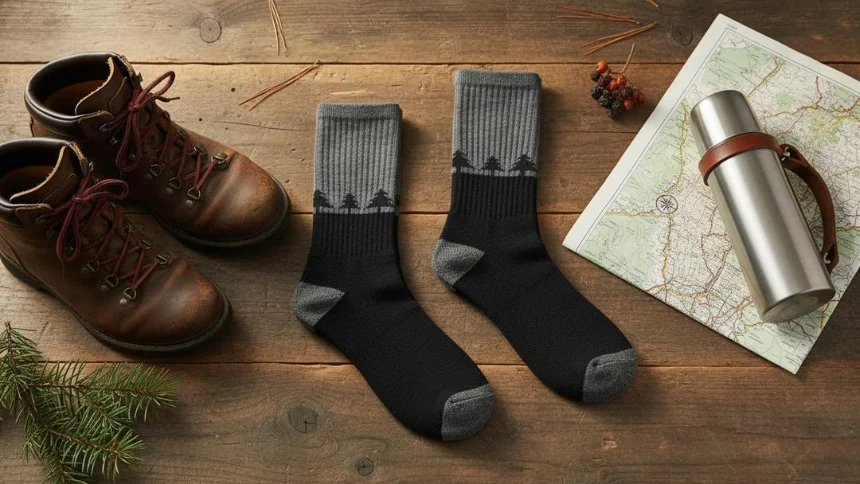
Hiking socks take a lot of friction. They sit against your skin for hours, absorb sweat, and rub inside your boots with every step. If they are washed carelessly, they can shrink, lose their shape, or wear thin sooner than expected.
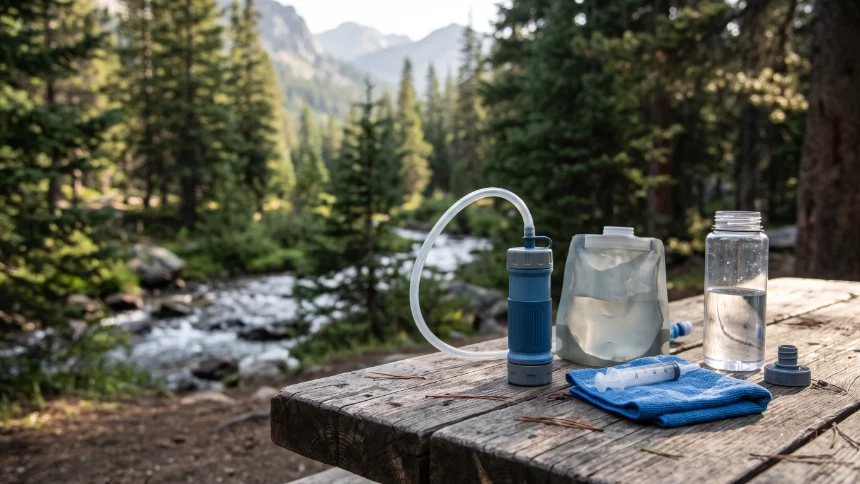
A camping water filter can be one of the most useful pieces of equipment in your pack, especially when a trip takes you away from reliable tap water. But after filtering muddy water, sitting in a damp bag, or spending a cold night outdoors, the filter may need more attention than a quick rinse.
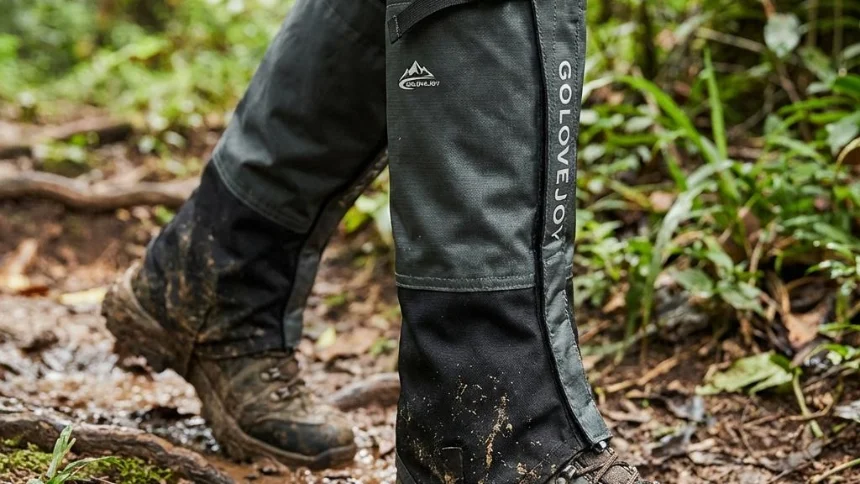
Hiking gaiters do a simple job: they help keep grit, mud, snow, and small bits of trail debris out of your boots. After a few outings, though, the fabric can collect dried mud, the closures can fill with grit, and the straps underneath can start to look worse for wear.

A beginner-safe guide to handling musty camping gear without harsh cleaners, fake fixes, or risky health claims.

A beginner-friendly guide to washing, drying, checking loft, and storing a down sleeping bag without crushing or mildewing it.

How I clean muddy hiking boots at home: brush first, cool water only, and a slow dry that does not bake the glue or the membrane.

A practical trekking pole maintenance guide for wet hikes, grit, locks, sections, straps, baskets, tips, and safe replacement.

A practical guide to patching small gear tears and knowing when load-bearing, waterproof, or safety-critical damage needs help.

A simple hydration bladder cleaning and storage routine that focuses on rinsing, tube flow, bite valve care, drying, and odor prevention.

A seasonal maintenance checklist for hikers and campers who want gear clean, dry, repaired, charged, and ready before the next trip.

A careful beginner guide to re-waterproofing leather, suede, nubuck, fabric, and waterproof-membrane hiking boots.

A calm storage system for hiking and camping gear that prevents trapped moisture, crushed insulation, dead batteries, odor, and forgotten repairs.

A beginner backpack cleaning routine for post-hike dirt, snack crumbs, sweat, salt, mud, spills, straps, pockets, and storage.

A practical tent care guide for cleaning dirt, drying every part, handling small repairs, checking zippers and poles, and storing gear safely.

A beginner-safe camp stove maintenance guide focused on cleaning, inspection, fuel handling, ventilation, and when to stop using a stove.

A practical rain jacket care guide for washing dirt and oils away, checking wet-out, refreshing DWR, and knowing when repair is needed.

A beginner-safe drying routine for wet hiking boots that protects adhesives, leather, membranes, shape, and comfort.

Washing a down jacket without flattening the loft — the washer settings, the soap I use, and the long dry that actually matters.