How to Repair Small Tears in Outdoor Gear
Repair small tears in outdoor gear with beginner-safe patching basics for tents, jackets, backpacks, sleeping bags, and repair limits.

Small tears are easier to fix before they spread. A pinhole in a rain jacket, a small tent mesh snag, or a sleeping bag shell nick can often be patched at home if the fabric is clean and the damaged area is not under heavy load.
This guide is for simple patches and repair decisions. It is not a replacement for manufacturer instructions or professional repair.
Quick Answer
Clean and dry the area, trim loose threads, choose a patch made for the material, round the patch corners, apply it flat with firm pressure, and let adhesive cure before use. Do not rely on a small patch for damaged straps, cracked poles, torn seams under tension, or fuel-related gear.
Decide If It Is A Home Repair
| Damage Type | Home Patch May Work | Get Help Instead |
|---|---|---|
| Tiny nylon shell hole | Yes | If down is escaping heavily |
| Small tent wall tear | Often | If near guy-out or pole stress |
| Small mesh snag | Often | If zipper or seam is involved |
| Rain jacket pinhole | Sometimes | If seam tape or membrane is failing |
| Backpack pocket tear | Sometimes | If shoulder strap or hip belt is damaged |
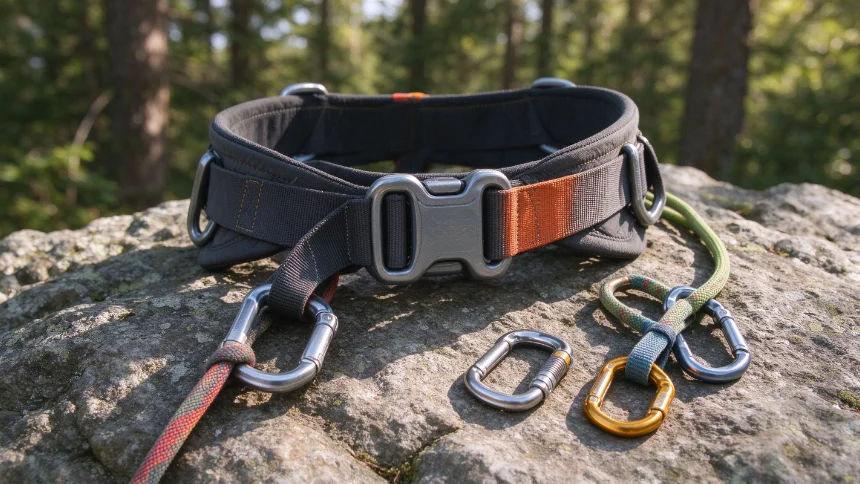
Safety note: load-bearing parts are different. Do not trust a beginner patch on shoulder straps, hip belts, climbing-related gear, tent poles, stove parts, or anything whose failure could create a serious hazard.
Prepare The Surface
Dry the item completely. Wipe dirt and body oils from the repair area. If the maker or patch product allows alcohol cleaning, use it only as directed and keep it away from coatings that may react badly.
Trim loose threads with scissors. Do not enlarge the hole trying to make it neat.
Patch With The Right Shape
Cut the patch larger than the tear, with rounded corners. Sharp corners peel faster. Place fabric flat so there are no wrinkles under the patch.
Press from the center outward. If the item has a matching inside surface, some repairs benefit from a patch on both sides, but follow the repair product directions.
For tents, pair this with Tent Care Guide: Cleaning, Drying, Repair, and Storage. For rainwear, see How to Clean and Reproof a Rain Jacket.
Common Mistakes
- Patching dirty or damp fabric.
- Using household tape for long-term repair.
- Leaving square patch corners.
- Patching over loose threads and grit.
- Assuming a patch restores original strength.
- Ignoring why the tear happened, such as abrasion or overstuffing.
When To Repair Professionally Or Replace
Use professional repair or manufacturer support for large tears, broken zippers, damaged seam tape, delamination, torn backpack straps, cracked buckles, split tent poles, or repeated failures in the same area.
Replace gear when repairs cannot restore reliable shelter, warmth, waterproofing, support, or safe function for the trips you plan.