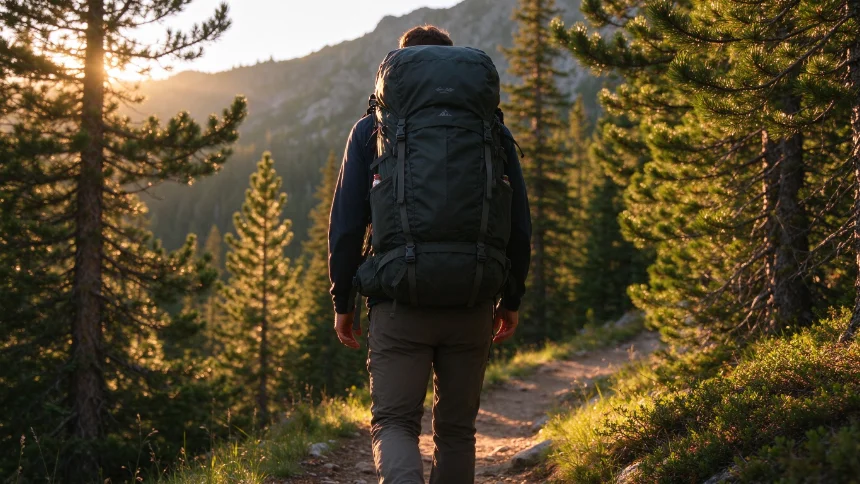
Backpacking Basics: A Beginner's Guide to Overnight Hiking
A first overnight trip is easier to plan when you choose a conservative route, confirm a legal campsite, and test your sleep, food, water, and navigation systems at home.
Read GuideCalm, practical starting points for new hikers, campers, and backpackers learning outdoor basics.
A first overnight trip is easier to plan when you choose a conservative route, confirm a legal campsite, and test your sleep, food, water, and navigation systems at home.
Read Guide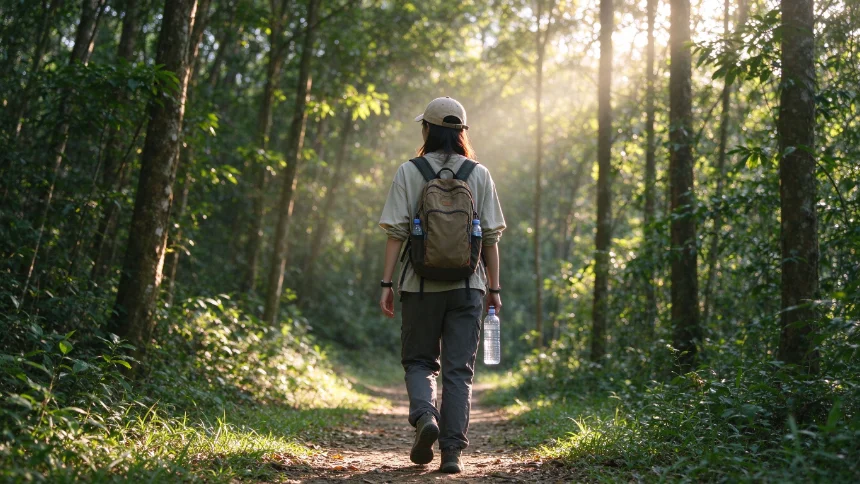
Hiking looks simple — just put on shoes and walk, right? For a short local trail, that's mostly true. But the more you get into it, the more you realize there's a little more to it than that. Knowing the basics helps you stay safe, comfortable, and actually enjoy the time outside.
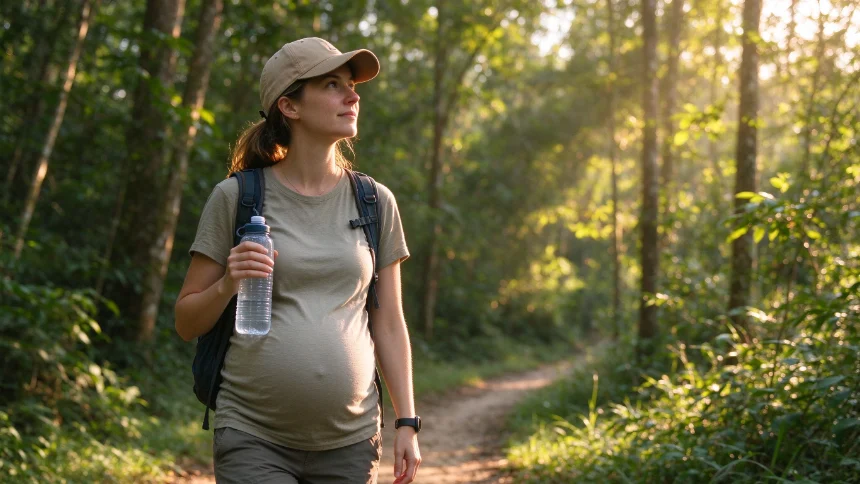
Whether hiking is appropriate during pregnancy depends on individual health and clinical advice. Use a conservative route plan, adapt to changing symptoms, and know when to stop.
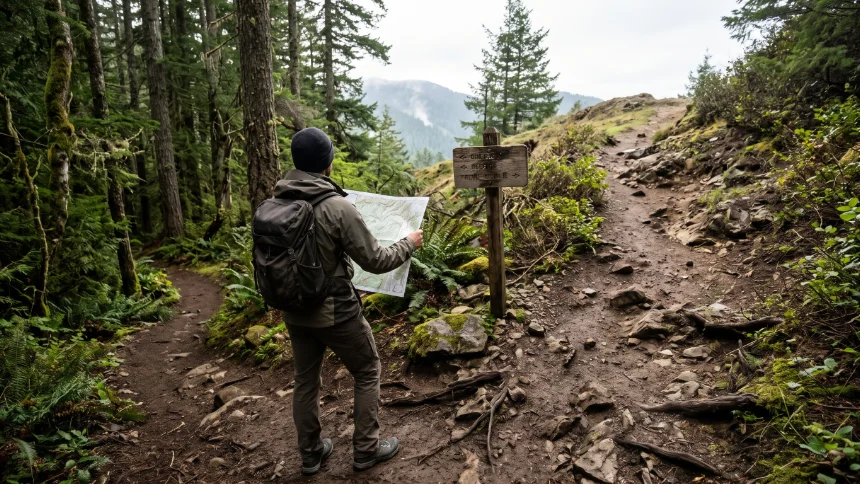
A hiking trail map can look confusing when you first open it. Thin brown lines cross the page, trails use different colors, and small symbols mark everything from streams to road crossings. If you are new to hiking, it may be difficult to tell which details matter most.
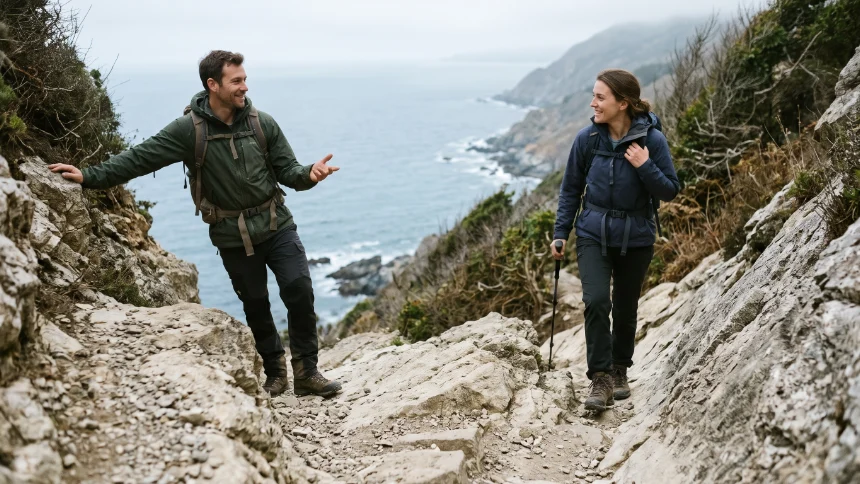
A good hike is not just about reaching the viewpoint. It is also about making the trail enjoyable and safe for everyone using it. Whether you are walking through a busy local park or exploring a quiet forest path, a few simple habits can help you avoid awkward encounters and leave nature in better condition.
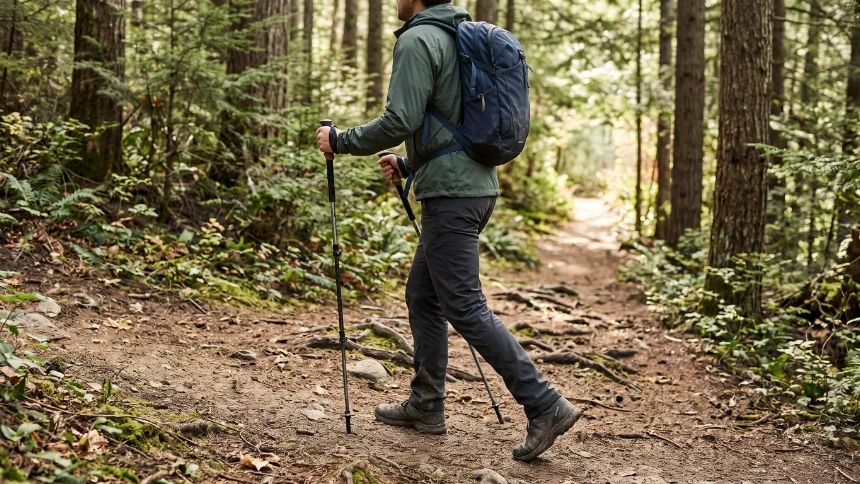
Trekking poles can make a long hike feel more manageable, especially when the trail climbs steeply, drops over uneven ground, or crosses slippery terrain. But poles are only helpful when they are adjusted properly and used with a natural rhythm. The goal is not to push yourself forward with every step. It is to improve balance, maintain a comfortable pace, and give your upper body a useful role on the trail.

A beginner-friendly day hike packing guide that separates short local walks, exposed trails, rainy routes, and longer beginner hikes.

A practical beginner guide to choosing hiking clothes that adjust to sweat, wind, rain, shade, sun, breaks, and changing trail conditions.

A beginner boot break-in plan that starts indoors, builds to short walks, checks socks and lacing, and avoids forcing painful boots.

A practical hiking route planning guide for beginners who need to compare distance, elevation, trail surface, weather, daylight, and exits.

A practical beginner guide to hiking in light rain, with gear basics, route decisions, footing, visibility, and safety limits.

A calm first-time camping guide for choosing a beginner campsite, packing basics, setting up camp, cooking safely, and leaving clean.

Choosing first hiking boots by the trails you actually walk — fit over features, honest waterproof tradeoffs, and store tests that predict mile five.

A cautious cool-weather camping guide for beginners focused on dry layers, sleeping pads, shelter setup, food, and when to change plans.

A beginner backpack-packing guide for weekend camping, focused on balance, access, weather protection, food separation, and comfort.

The camping mistakes that keep showing up on first trips — late arrivals, cold ground, food in the tent — and the short checklist that prevents them.