Hiking in the Rain: Beginner Tips and Gear Basics
Learn beginner rain hiking basics for clothing, footwear, pack protection, trail choice, visibility, lightning, and post-hike drying.

Rain does not automatically cancel every hike. It does change the decision. Wet roots, lower visibility, colder breaks, stream crossings, and afternoon thunderstorms can turn a simple route into something less beginner-friendly.
This article is for light to moderate rain on ordinary trails. It is not guidance for storms, flooding, winter conditions, or remote routes.
Quick Answer
Choose an easy familiar route, wear layers that stay comfortable when damp, protect dry items inside the pack, keep rain gear accessible, watch footing, and turn around early if rain becomes thunder, flooding, cold, poor visibility, or trail conditions outside your experience.
Decide Whether This Rain Is A Good Learning Day
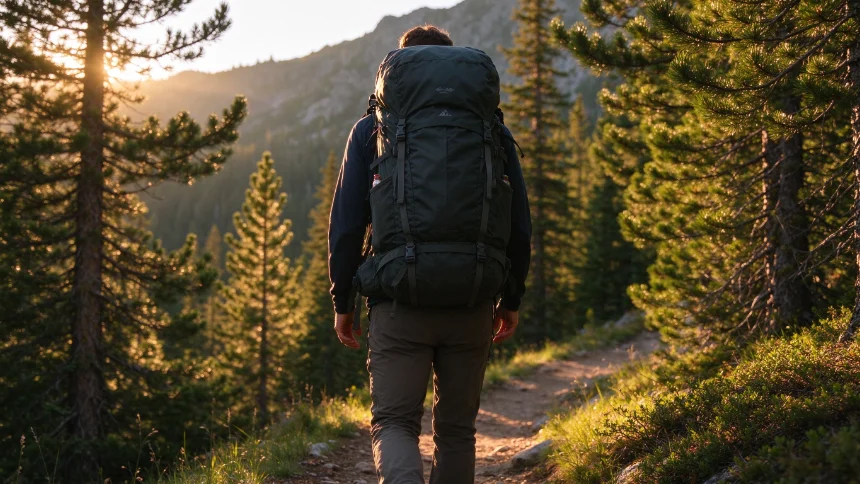
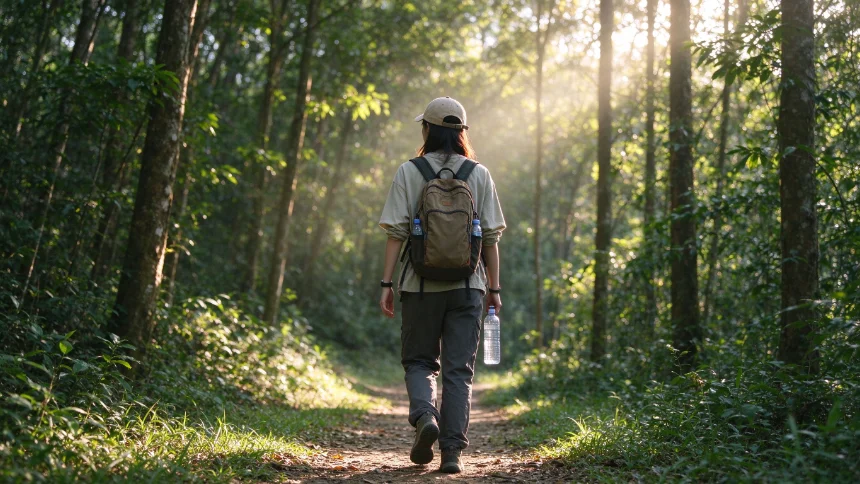
Good beginner rain hikes are short, familiar, close to help, and easy to leave. Forest loops, gravel paths, and low-elevation trails often make better first rain hikes than steep overlooks, exposed ridges, or routes with creek crossings.
Check official weather and trail alerts before leaving. The NPS Trip Planning Guide recommends checking weather, terrain, alerts, and your own limits before choosing an activity.
Safety note: if thunderstorms are possible, do not treat a rain jacket as the solution. The National Weather Service lightning safety overview says there is no safe place outside when thunderstorms are in the area.
Dress For Wet Movement And Cool Stops
Rain hiking is a balance. If you overdress, sweat builds inside the shell. If you underpack, rest stops can feel cold quickly.
Start with a moisture-managing base layer, add a light warm layer if the temperature calls for it, and keep a rain shell easy to reach. For more detail, see What to Wear Hiking: A Beginner Layering Guide.
Footwear matters more in rain. Use shoes or boots with tread you trust. If your hiking boots are wet afterward, dry them gently with How to Dry Wet Hiking Boots the Right Way.
Protect The Pack From The Inside
A pack cover sheds water, but wind and shoulder straps can still let moisture in. Use a pack liner or dry bags for warm layers, phone, keys, and anything that must stay dry.
Keep snacks in a sealed bag and first aid basics where you can find them. Rain makes small tasks slower, so organization helps.
Walk Differently On Wet Trails
Shorten your stride on wet rock, roots, boardwalks, leaves, and mud. Step around puddles when doing so does not widen the trail. Trekking poles can help balance, but they do not make slick terrain safe.
Turn around if water rises across the trail, footing becomes uncertain, or the group is getting cold or frustrated. A short successful rain hike teaches more than forcing a route that no longer fits.
Common Mistakes
- Choosing a steep new route for a first rainy hike.
- Packing a rain shell but leaving it under everything.
- Assuming a waterproof jacket prevents sweat buildup.
- Wearing cotton socks in cool rain.
- Walking through standing water without knowing depth or footing.
- Storing wet boots, tent, or rainwear after getting home.
After The Hike
Hang the rain jacket, dry the pack, remove insoles from wet boots, and spread damp socks and layers. If your shell stopped beading water, How to Clean and Reproof a Rain Jacket can help editors review next steps before publication.
FAQ
Is it safe for beginners to hike in the rain?
Light rain on an easy familiar trail can be manageable, but storms, lightning, flooding, cold, poor visibility, or slick terrain are reasons to postpone.
What should I wear for a rainy hike?
Wear moisture-managing layers, a rain shell when needed, grippy footwear, and avoid cotton layers in cool wet conditions.
Do I need a pack cover?
A pack cover helps, but use dry bags or a liner for items that must stay dry, such as warm layers and electronics.
What should I do after hiking in rain?
Dry boots, rainwear, backpack, socks, and any damp gear before storage to prevent odor, mildew, and material damage.