What to Wear Hiking: A Beginner Layering Guide
Choose hiking layers with beginner-friendly advice on base layers, warmth, rain shells, socks, footwear, and changing weather.

Beginner hikers often ask what to wear as if there is one correct outfit. There usually is not. The better question is whether your clothing can handle sweat, wind, shade, light rain, and standing still for a break.
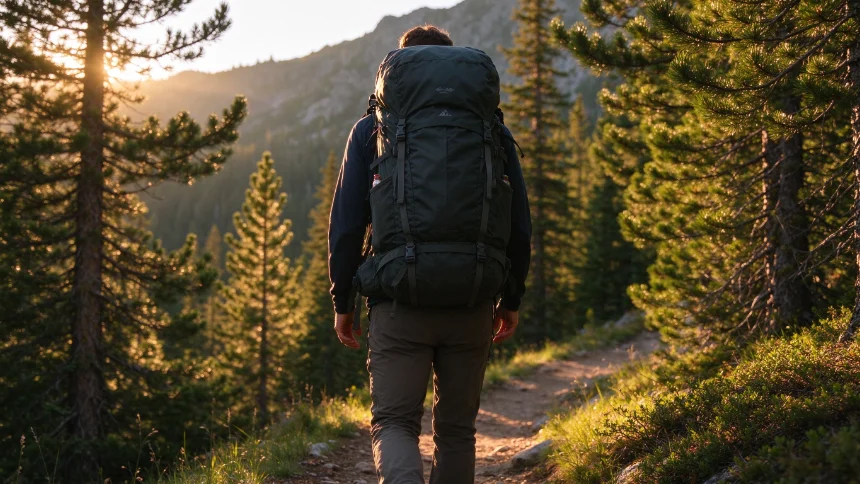
I have finished more hikes in a t-shirt and a spare fleece than in anything technical. The part that actually saved the day was usually a cheap wind shell stuffed at the bottom of the pack, not the jacket I started in.
This guide focuses on ordinary beginner day hikes. It is not winter travel guidance, alpine clothing advice, or a substitute for checking the forecast and local trail conditions.
Quick Answer
Wear a comfortable moisture-managing shirt, bring a warm layer you can add during breaks, and carry a wind or rain shell when the route or forecast calls for it. Choose bottoms that move well, socks that do not bunch, and footwear you have already tested on shorter walks.
Layer Choices By Hiking Situation
| Situation | Wear | Carry |
|---|---|---|
| Warm local trail | Lightweight shirt, comfortable shorts or pants, tested shoes | Water, sun hat, light shell if wind or rain is possible |
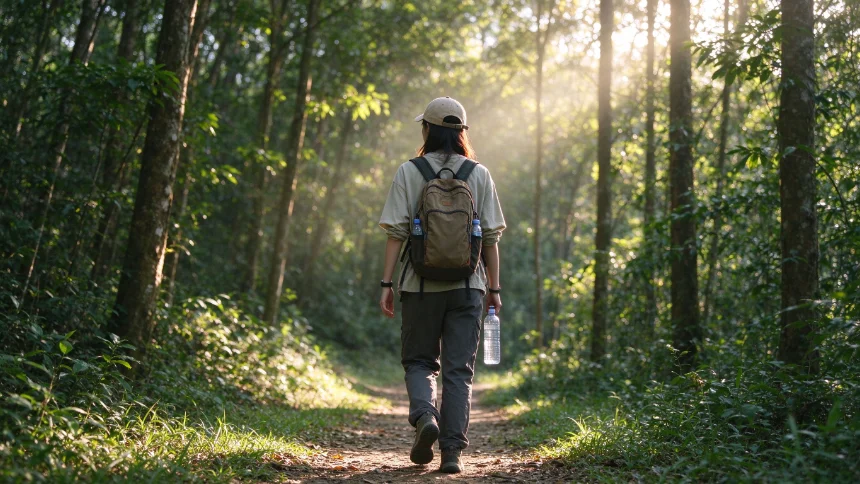
| Shaded forest walk | Base layer, flexible pants, wool or synthetic socks | Fleece or light warm layer, rain shell if the forecast is uncertain |
| Breezy ridge or overlook | Base layer, pants or leggings, secure hat | Wind shell or rain shell, warm layer for breaks |
| Cool start, warmer afternoon | Light base layer, removable midlayer | Pack space for the layer you remove |
The National Park Service includes insulation and sun protection in its Ten Essentials. For clothing, that means thinking beyond the outfit you start in. A small layer in the pack can matter when the weather changes or the group stops moving.
Build The Outfit From Skin Out
Base layer
The base layer is the shirt touching your skin. For many beginner hikes, synthetic or merino fabric is easier to manage than cotton because it dries faster and tends to feel less clammy when damp.
Cotton can be comfortable on a short, warm, low-risk walk. It becomes less forgiving in cool wind, rain, or long shaded sections because it holds moisture.
Warm layer
A fleece is a simple beginner midlayer because it is easy to wash, easy to vent, and useful during snack breaks. A light puffy can work for cooler conditions, especially if you will spend time standing around at a viewpoint or campsite.
Pack warmth where you can reach it. A layer buried under lunch and camera gear often stays unused until the group is already cold.
Shell layer
A rain jacket is for rain and wet wind. A wind shell is for dry wind. A softshell may be comfortable in cool, active weather, but it should not automatically replace a rain jacket when rain is likely.
Safety note: if the forecast includes lightning, flooding, extreme heat, dangerous cold, or high winds, clothing is not the solution. Change the route, shorten the plan, or postpone.
Socks, Footwear, And Small Extras
Socks are worth choosing carefully. Pick wool or synthetic hiking socks that sit smoothly around the heel and toes. Try the sock and shoe combination before a longer route.
For bottoms, use what lets you move comfortably and matches the trail. Hiking pants, leggings, shorts, and convertible pants can all work. Denim is often awkward in rain or mud because it gets heavy and dries slowly.
Small extras should match the day: a brimmed hat for sun, a beanie or light gloves for cool wind, spare socks for wet trails, or a small dry bag to keep a backup layer dry.
Common Mistakes
- Dressing only for the trailhead temperature.
- Wearing one bulky layer instead of a few adjustable pieces.
- Forgetting wind because the air temperature looks mild.
- Leaving the rain shell at home because the hike is short.
- Wearing cotton socks in cool or wet conditions.
- Testing new footwear on the actual hike.
Care Notes For Hiking Clothes
Wash base layers, socks, and shells according to their care labels. Body oils, dirt, and leftover detergent can affect comfort and water repellency. Dry layers fully before storing them.
After rainy hikes, hang shells and damp socks before they sit in the pack overnight. A small post-hike drying habit prevents much of the odor people blame on “bad gear.”
When To Replace Gear Or Ask For Fit Help
Replace socks when they thin at the heel or toe. Reassess a rain shell when it continues wetting out after proper cleaning and reproofing. Replace or repair footwear when traction, support, or fit is no longer reliable.
Ask a local outdoor retailer, qualified guide, or experienced trip leader for help if you are dressing for winter, high elevation, desert heat, remote terrain, or conditions you have not handled before.
FAQ
Do I need expensive hiking clothes?
No. Start with comfortable layers that fit well, manage moisture, and match the weather. Premium gear is not required for a beginner day hike.
Is cotton bad for hiking?
Cotton can stay wet and feel cold in cool or changeable weather. Wool or synthetic layers are often easier for beginners to manage.
Should I bring a rain jacket on a short hike?
Bring one if rain, wind, exposure, or changing weather is possible. Short hikes can still become uncomfortable when conditions shift.
What socks should beginners wear hiking?
Choose wool or synthetic socks that fit smoothly without bunching. They usually manage moisture and friction better than cotton socks.