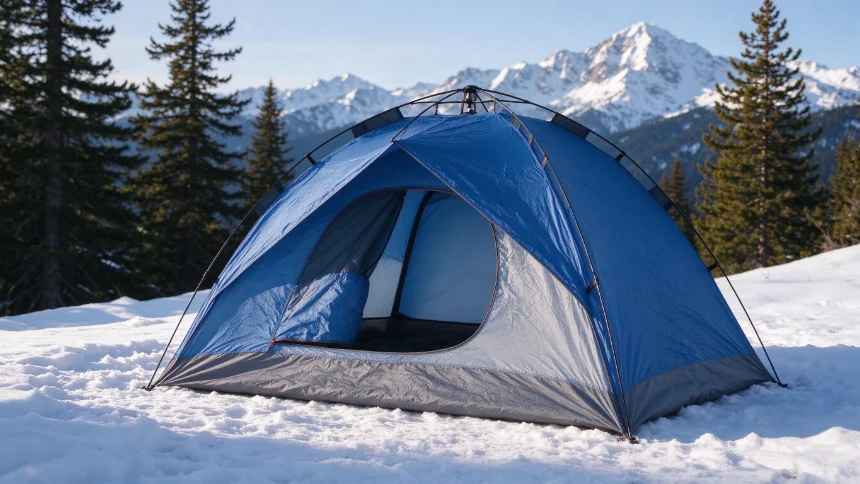
How to Choose a 4-Season Tent for Winter Camping
A four-season label is only a starting point. Match the tent's stated conditions, capacity, ventilation, and setup to the weather and terrain you expect.
Browse the guides currently published in the content system.
A four-season label is only a starting point. Match the tent's stated conditions, capacity, ventilation, and setup to the weather and terrain you expect.
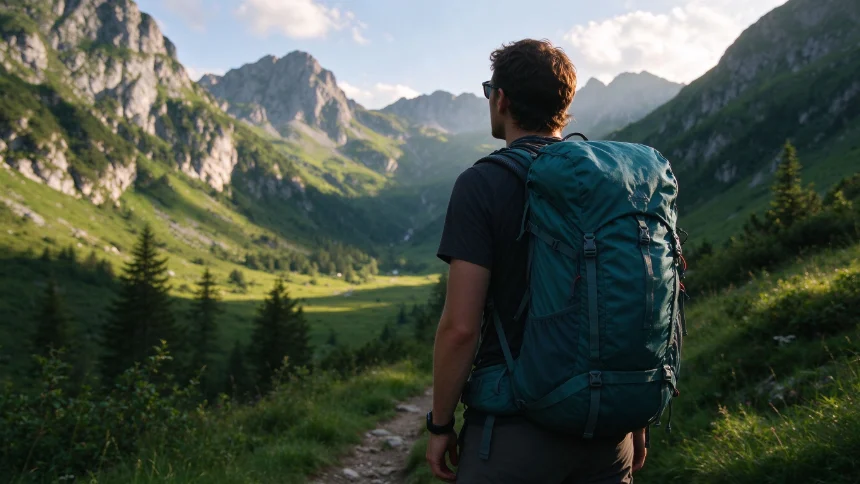
Walk into any outdoor shop and you'll see shelves packed with daypacks that all look roughly the same. They all have straps, zippers and a couple of pockets. So how do you tell which one actually fits your hikes?
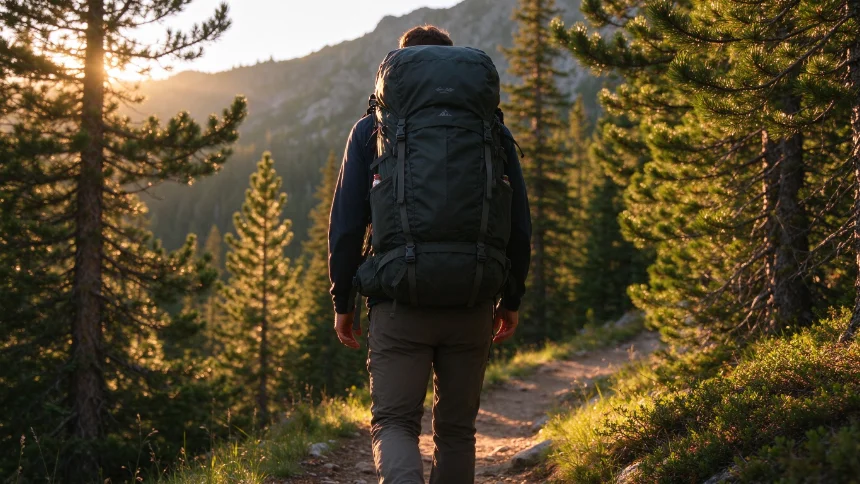
A first overnight trip is easier to plan when you choose a conservative route, confirm a legal campsite, and test your sleep, food, water, and navigation systems at home.
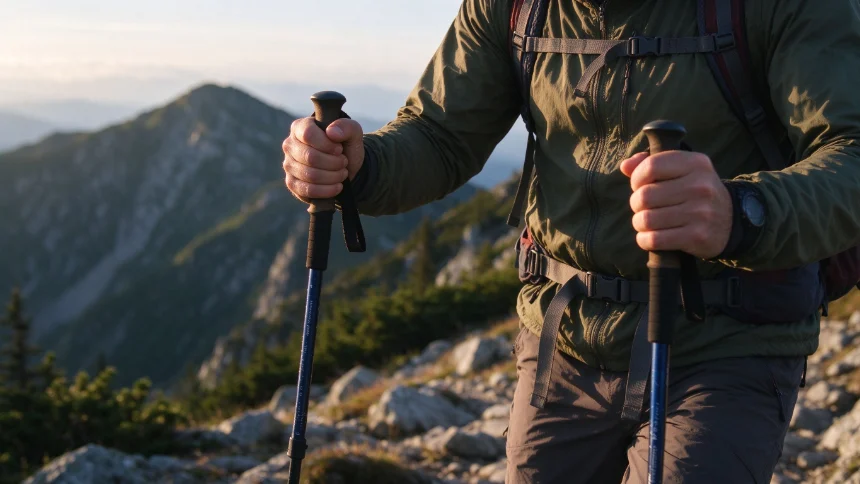
Trekking poles divide opinion. Some hikers swear by them, others never touch a pair. But when you're grinding up a steep mile or balancing on loose rocks, a good pair of poles takes real weight off your legs and helps you move with more confidence.
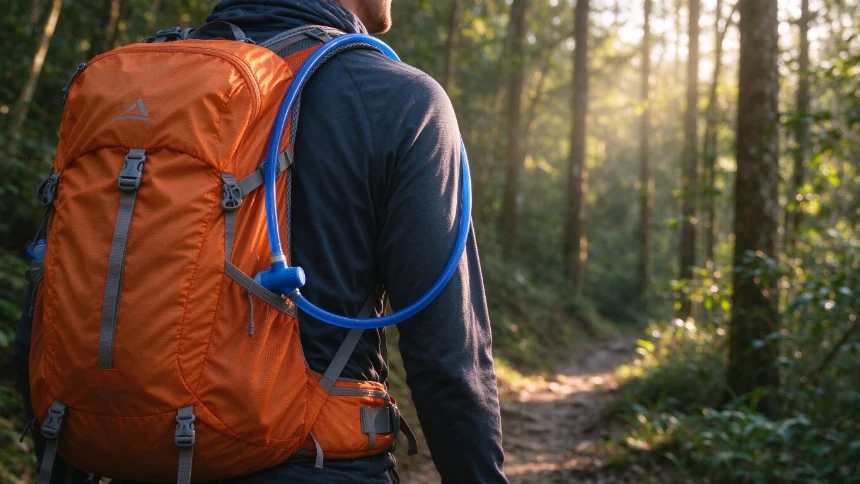
A hydration pack looks like a regular daypack at first glance, but it's built around one thing: letting you drink without stopping. A tube that loops over your shoulder means you sip as you walk, and that small convenience changes how often you actually drink on the trail.
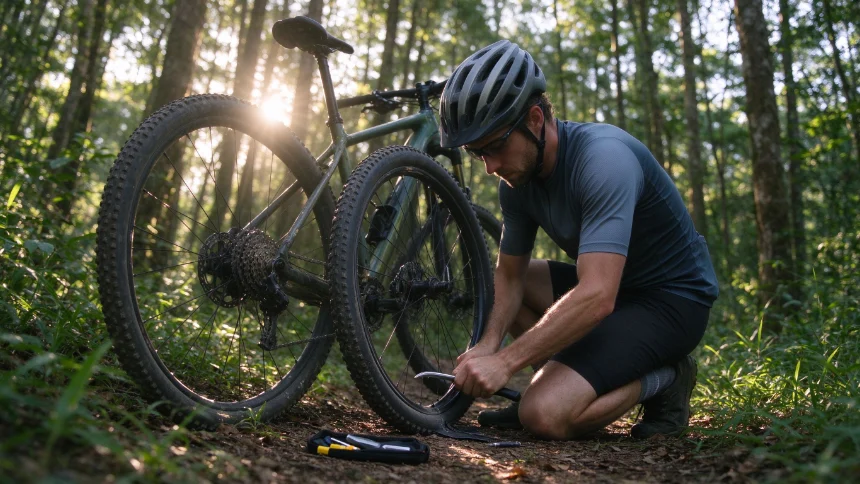
A trailside repair is only appropriate when the fault is understood and the bike can be checked safely. Learn what to carry, how to handle a puncture, and when to walk out.
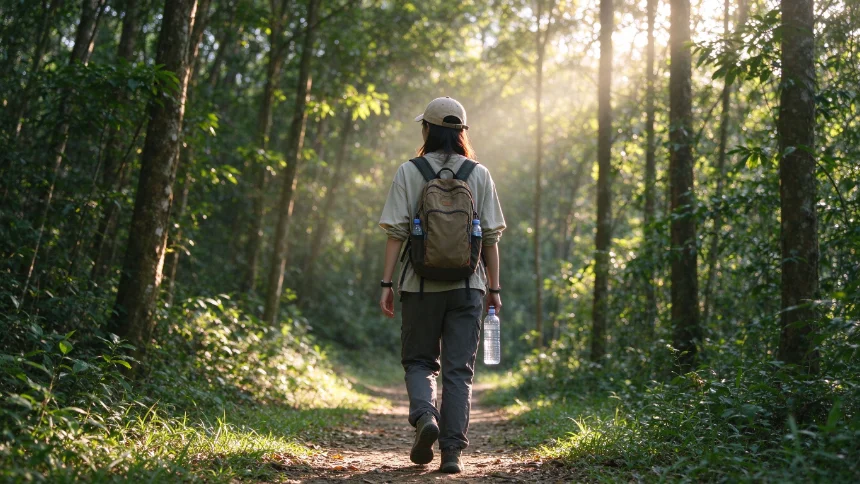
Hiking looks simple — just put on shoes and walk, right? For a short local trail, that's mostly true. But the more you get into it, the more you realize there's a little more to it than that. Knowing the basics helps you stay safe, comfortable, and actually enjoy the time outside.
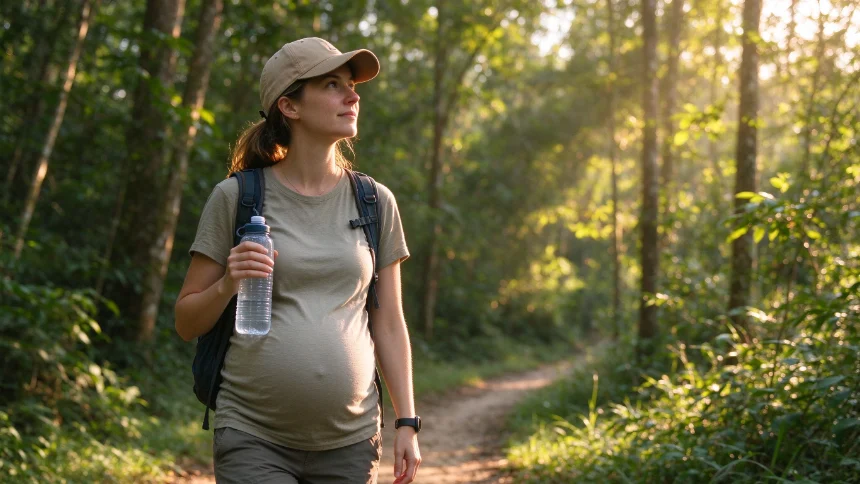
Whether hiking is appropriate during pregnancy depends on individual health and clinical advice. Use a conservative route plan, adapt to changing symptoms, and know when to stop.
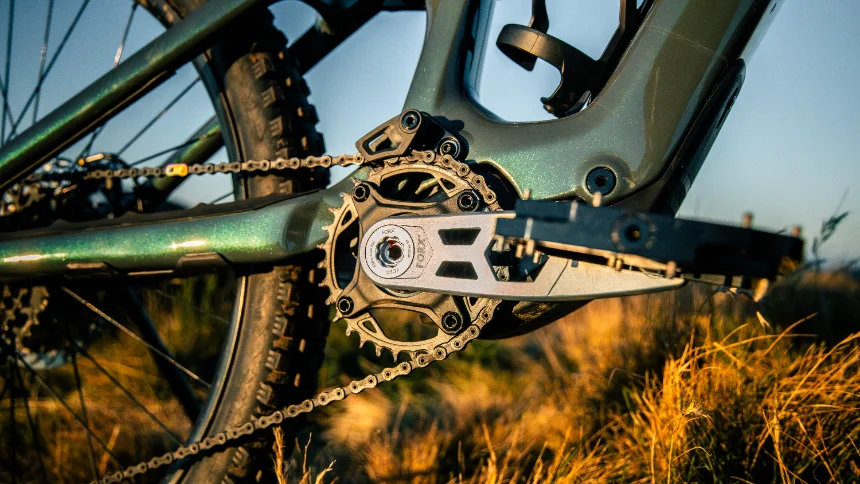
A visual check and gentle cleaning can help you spot obvious crankset problems. If a part feels loose, is damaged, or makes a persistent noise, stop and ask a mechanic to inspect it.
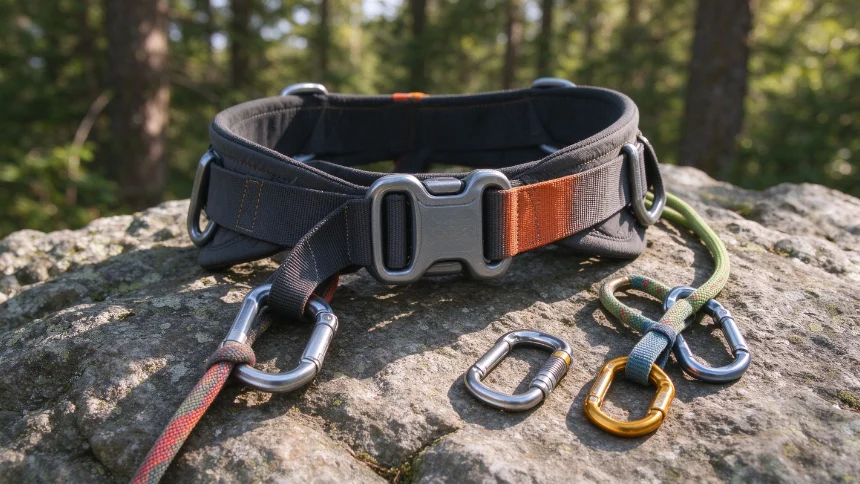
Your climbing harness is the piece that keeps you connected to the rock. Tiny, easy-to-miss mistakes while you're using it or packing it away can slowly wear the webbing out. Even if you only get out climbing on weekends, a few simple care habits go a long way.
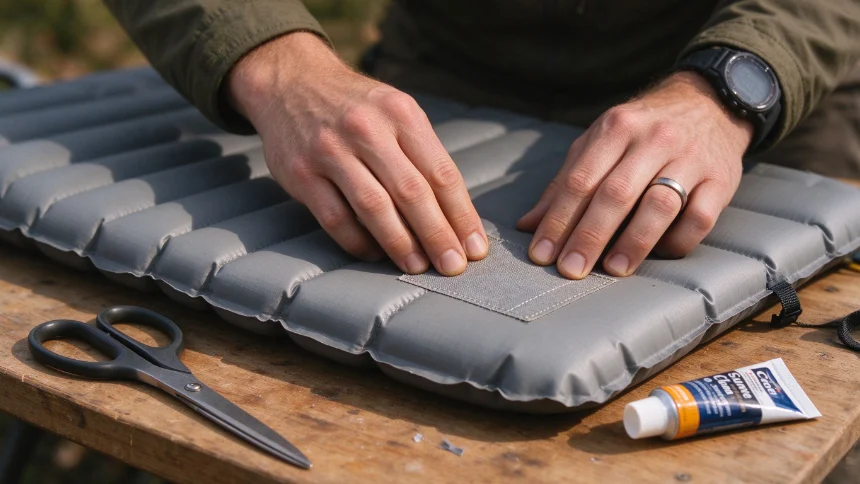
Locate a small leak and repair it with the method and materials approved for your exact sleeping pad. Check the patch at home before relying on it for a trip.
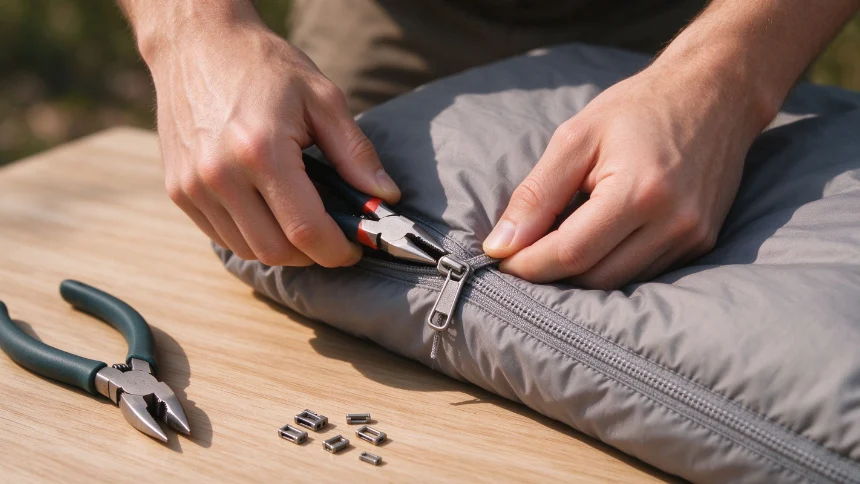
A zipper that separates may have a worn slider, trapped fabric, or damaged teeth. Check the cause first, and use only a compatible replacement part or a repair service.
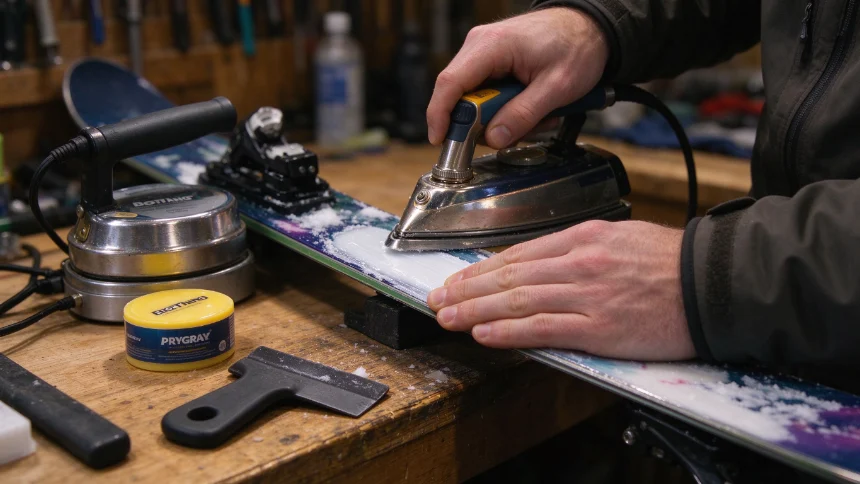
A home glide wax requires a suitable wax and iron, ventilation, and careful temperature control. Follow the wax maker's directions and leave base or edge damage to a shop.
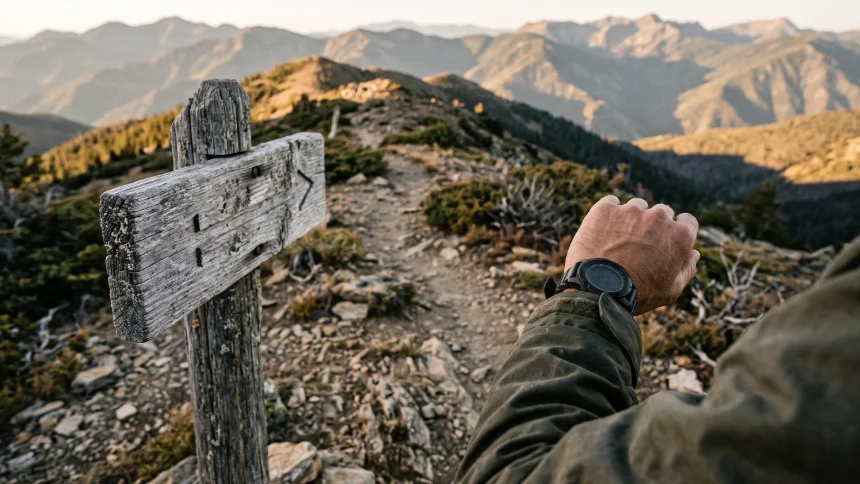
Reaching the summit or finishing a planned loop can feel like the main goal of a hike. But a successful outing also means getting back safely. A turnaround plan helps you avoid rushing before dark, continuing into worsening weather, or pushing beyond your group's limits. Use this checklist before setting out and whenever conditions change.
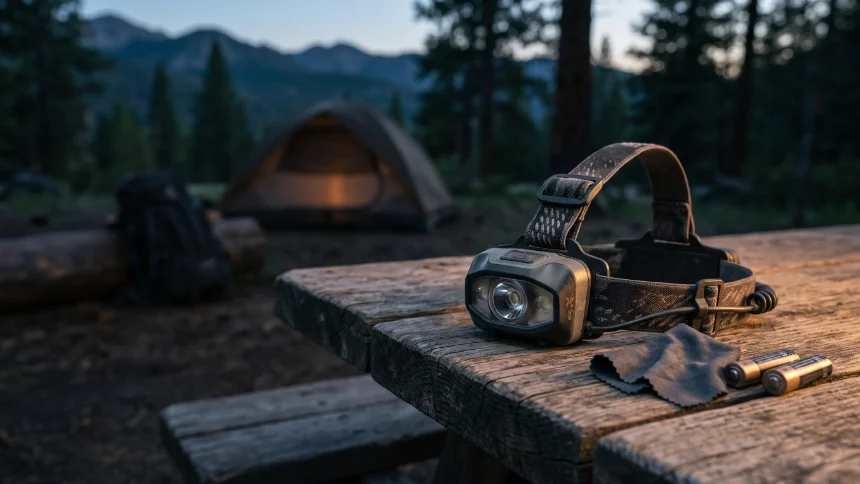
A headlamp often sits unnoticed in a pack until the light starts flickering, a button feels gritty, or the battery is flat just when you need both hands free. Dirt, moisture, and poor battery storage can all cause avoidable problems, but cleaning a headlamp takes a lighter touch than cleaning most fabric gear.
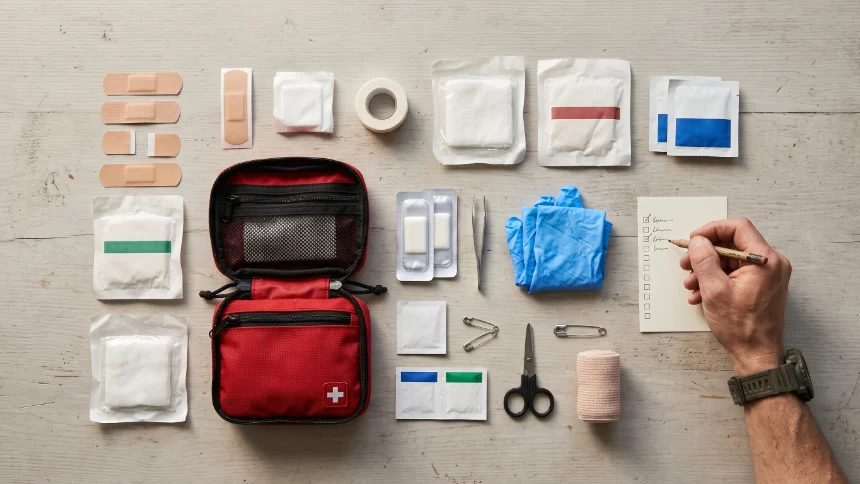
A small first-aid kit can help you deal with minor cuts, blisters, and other common trail problems. The right supplies depend on your route, group size, weather, and how far you will be from help. Use this checklist to prepare a practical kit before your next hike.
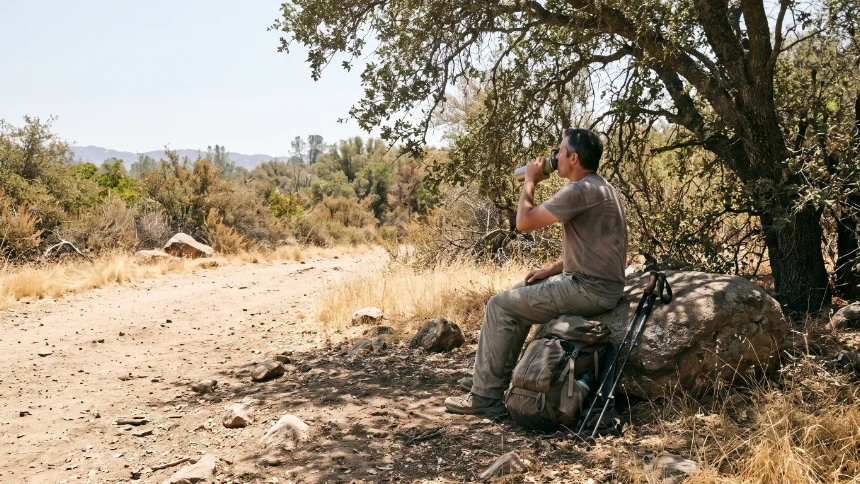
Sunny weather can make a hiking trail look inviting, but high temperatures can turn an enjoyable outing into a dangerous experience. Climbing hills, carrying a loaded backpack, and walking in direct sunlight all increase the strain on your body. High humidity can make the situation worse by slowing the evaporation of sweat.
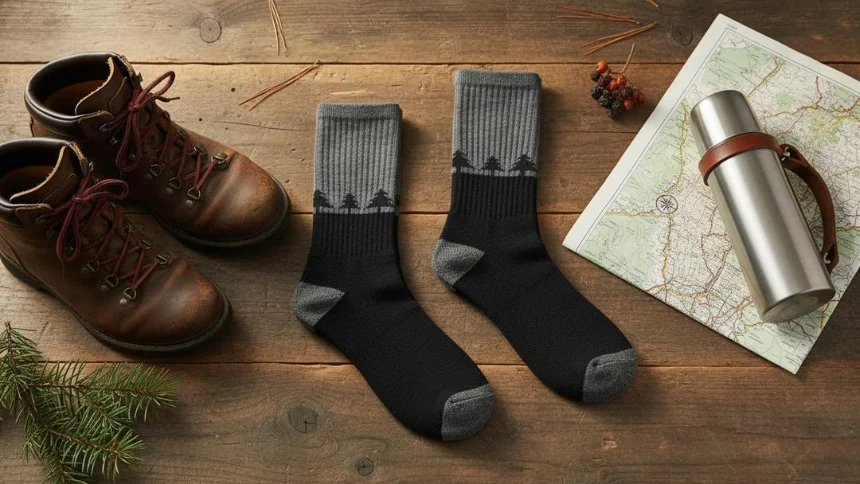
Hiking socks take a lot of friction. They sit against your skin for hours, absorb sweat, and rub inside your boots with every step. If they are washed carelessly, they can shrink, lose their shape, or wear thin sooner than expected.
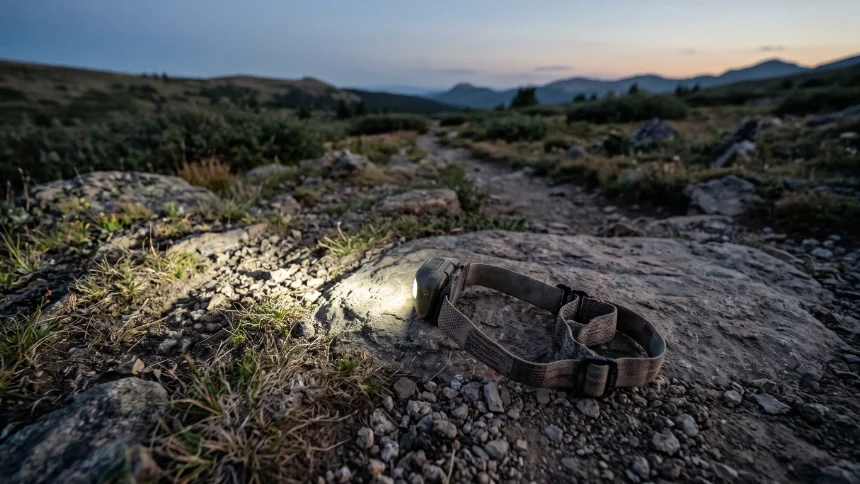
A reliable headlamp can make an early start, an unexpected delay, or a dark trail much easier to manage. But choosing one is not just about finding the highest lumen rating. The right model should provide useful light, last long enough for your plans, fit comfortably, and remain dependable in the conditions you expect to encounter.
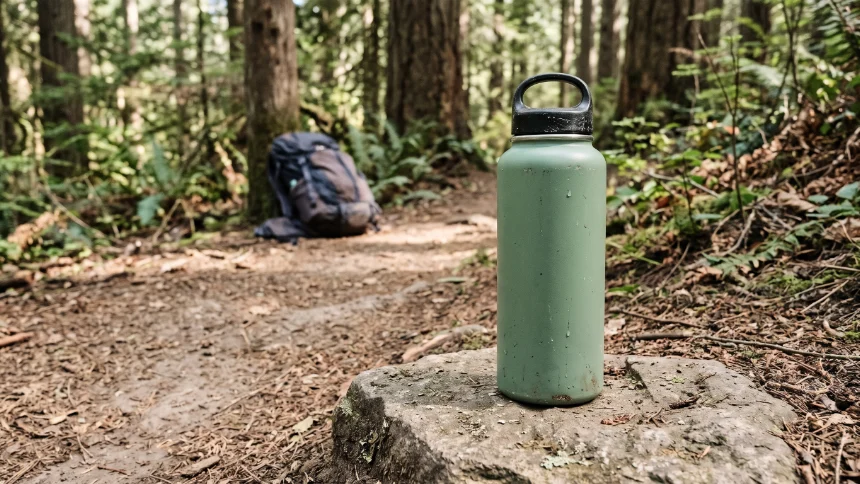
A good hiking water bottle should be easy to carry, comfortable to drink from, and dependable throughout a day on the trail. The right choice depends on how far you hike, how much water you need, and what kind of conditions you usually encounter.
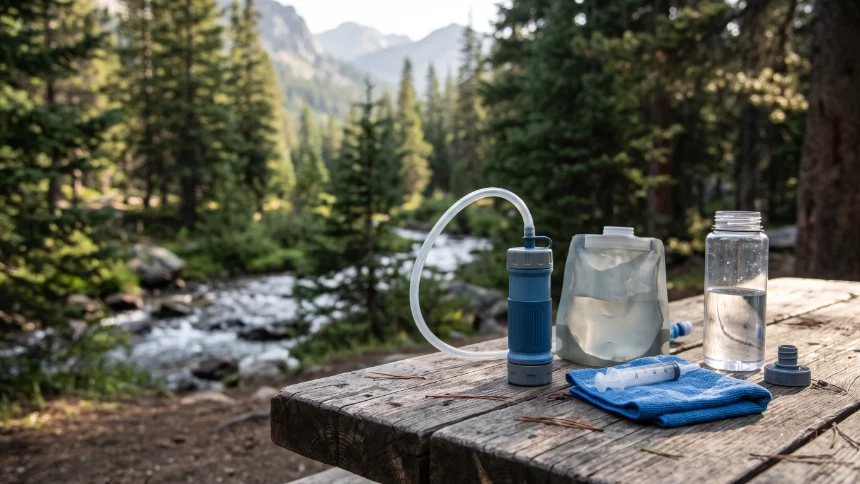
A camping water filter can be one of the most useful pieces of equipment in your pack, especially when a trip takes you away from reliable tap water. But after filtering muddy water, sitting in a damp bag, or spending a cold night outdoors, the filter may need more attention than a quick rinse.
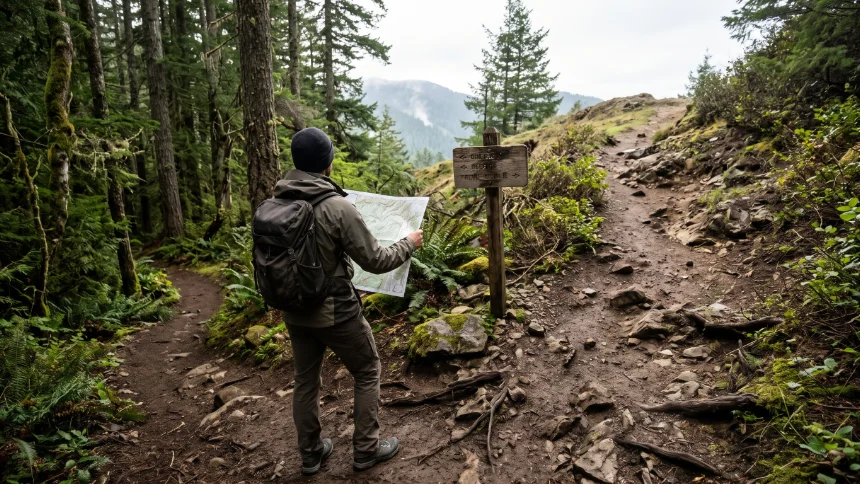
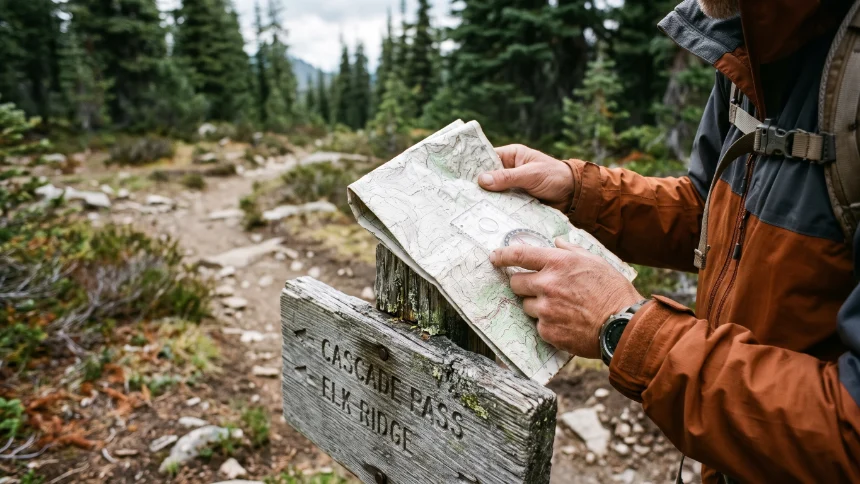
A hiking trail map can look confusing when you first open it. Thin brown lines cross the page, trails use different colors, and small symbols mark everything from streams to road crossings. If you are new to hiking, it may be difficult to tell which details matter most.
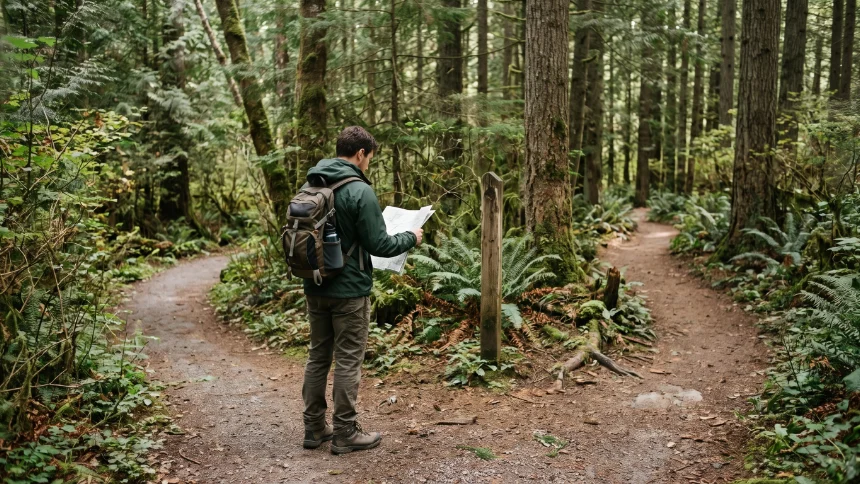
Realizing you may be lost on a hike can be stressful, especially when the trail looks unfamiliar or your phone has no signal. The most important thing is to avoid making a rushed decision. A calm, simple response can help you stay safe and make it easier for rescuers to find you if necessary.
Planning food for an overnight backpacking trip is about more than packing enough calories. Your meals should be easy to carry, simple to prepare, suitable for the weather, and manageable with the cooking equipment you bring. Use this checklist to organize your food before leaving home.
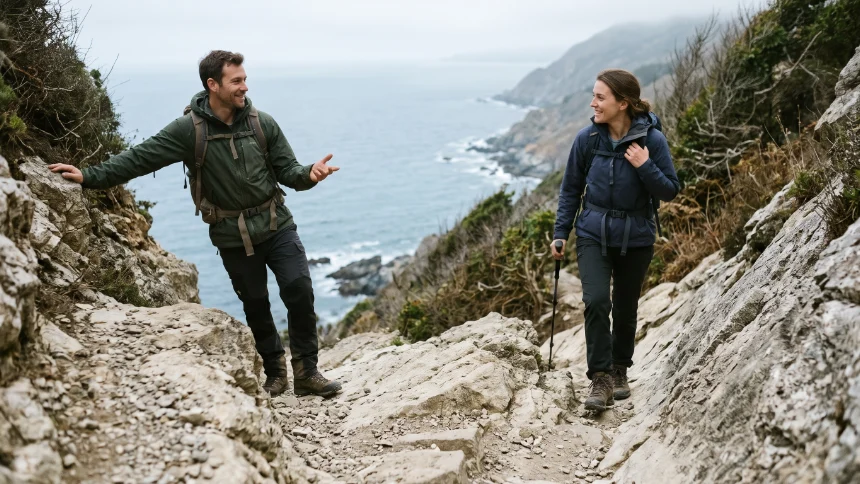
A good hike is not just about reaching the viewpoint. It is also about making the trail enjoyable and safe for everyone using it. Whether you are walking through a busy local park or exploring a quiet forest path, a few simple habits can help you avoid awkward encounters and leave nature in better condition.
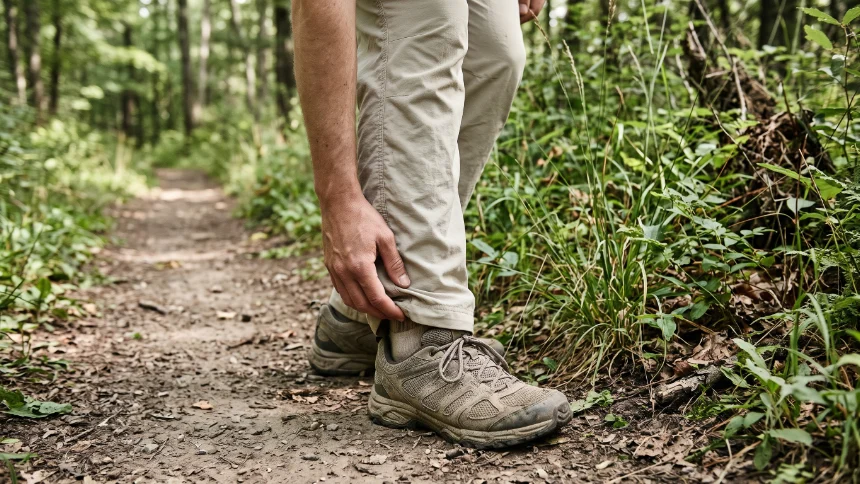
A quiet woodland path, a grassy hillside, or a trail through thick vegetation can expose hikers to ticks. These tiny parasites are easy to miss, and some species can transmit diseases. Fortunately, a few simple habits can reduce the chance of a tick attaching to your skin and help you respond appropriately if one does.
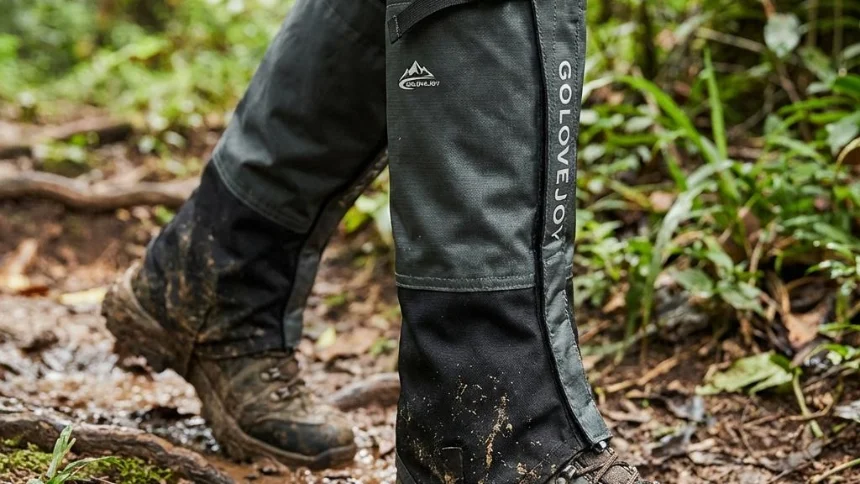
Hiking gaiters do a simple job: they help keep grit, mud, snow, and small bits of trail debris out of your boots. After a few outings, though, the fabric can collect dried mud, the closures can fill with grit, and the straps underneath can start to look worse for wear.
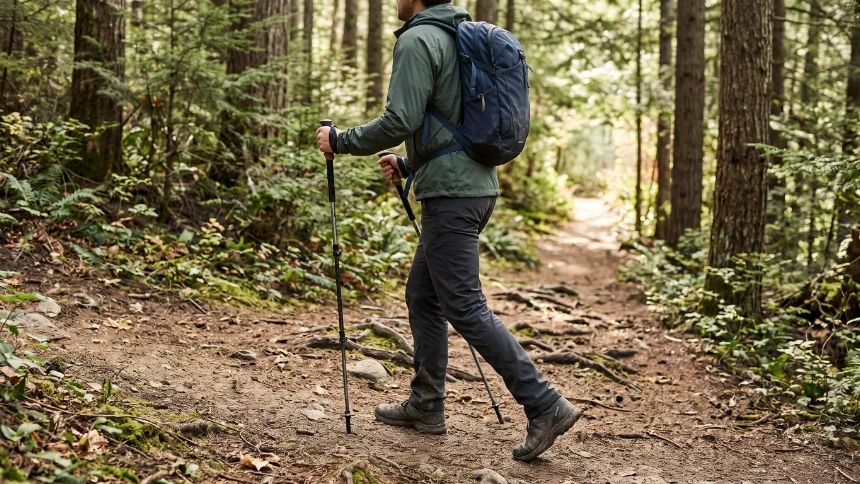
Trekking poles can make a long hike feel more manageable, especially when the trail climbs steeply, drops over uneven ground, or crosses slippery terrain. But poles are only helpful when they are adjusted properly and used with a natural rhythm. The goal is not to push yourself forward with every step. It is to improve balance, maintain a comfortable pace, and give your upper body a useful role on the trail.

A practical after-trip reset for beginners who need to dry, clean, inspect, and store outdoor gear without turning it into a huge project.

A beginner-friendly day hike packing guide that separates short local walks, exposed trails, rainy routes, and longer beginner hikes.

A cautious cool and cold weather camping checklist for beginners focused on sleep warmth, dry clothing, weather, and safe decisions.

A beginner-safe guide to handling musty camping gear without harsh cleaners, fake fixes, or risky health claims.

A beginner-friendly guide to washing, drying, checking loft, and storing a down sleeping bag without crushing or mildewing it.

A practical beginner guide to choosing hiking clothes that adjust to sweat, wind, rain, shade, sun, breaks, and changing trail conditions.

How I clean muddy hiking boots at home: brush first, cool water only, and a slow dry that does not bake the glue or the membrane.

A beginner boot break-in plan that starts indoors, builds to short walks, checks socks and lacing, and avoids forcing painful boots.

A short weekend camping checklist that stays calm and packable: shelter, sleep, food, light, weather, and a clean exit.

A clear beginner comparison of rain jackets and softshells so hikers can choose the right outer layer for drizzle, wind, cool weather, and storms.

A practical trekking pole maintenance guide for wet hikes, grit, locks, sections, straps, baskets, tips, and safe replacement.

A practical hiking route planning guide for beginners who need to compare distance, elevation, trail surface, weather, daylight, and exits.

A practical beginner guide to hiking in light rain, with gear basics, route decisions, footing, visibility, and safety limits.

A calm first-time camping guide for choosing a beginner campsite, packing basics, setting up camp, cooking safely, and leaving clean.

Choosing first hiking boots by the trails you actually walk — fit over features, honest waterproof tradeoffs, and store tests that predict mile five.

A beginner day hiking checklist that separates short local walks, warm exposed trails, forest routes, and longer outings.

A practical guide to patching small gear tears and knowing when load-bearing, waterproof, or safety-critical damage needs help.

A practical beginner guide to choosing between synthetic and down insulation for jackets, sleeping bags, and cool-weather camping.

A calm safety guide for new hikers and campers focused on planning, weather, navigation, communication, daylight, gear checks, and conservative decisions.

A simple hydration bladder cleaning and storage routine that focuses on rinsing, tube flow, bite valve care, drying, and odor prevention.

A cautious beginner guide to sleeping bag temperature ratings, comfort expectations, sleeping pads, weather checks, and when to choose more margin.

A seasonal maintenance checklist for hikers and campers who want gear clean, dry, repaired, charged, and ready before the next trip.

A beginner rainy hiking checklist that keeps route choice, clothing, pack protection, footing, visibility, and drying habits practical.

A cautious cool-weather camping guide for beginners focused on dry layers, sleeping pads, shelter setup, food, and when to change plans.

A careful beginner guide to re-waterproofing leather, suede, nubuck, fabric, and waterproof-membrane hiking boots.

A beginner backpack-packing guide for weekend camping, focused on balance, access, weather protection, food separation, and comfort.

A calm storage system for hiking and camping gear that prevents trapped moisture, crushed insulation, dead batteries, odor, and forgotten repairs.

A beginner backpack cleaning routine for post-hike dirt, snack crumbs, sweat, salt, mud, spills, straps, pockets, and storage.

A practical tent care guide for cleaning dirt, drying every part, handling small repairs, checking zippers and poles, and storing gear safely.

A beginner-safe camp stove maintenance guide focused on cleaning, inspection, fuel handling, ventilation, and when to stop using a stove.

A practical rain jacket care guide for washing dirt and oils away, checking wet-out, refreshing DWR, and knowing when repair is needed.

A beginner-friendly footwear comparison that helps hikers choose between boots and trail shoes without turning it into a gear identity test.

A beginner-safe drying routine for wet hiking boots that protects adhesives, leather, membranes, shape, and comfort.

The camping mistakes that keep showing up on first trips — late arrivals, cold ground, food in the tent — and the short checklist that prevents them.

Washing a down jacket without flattening the loft — the washer settings, the soap I use, and the long dry that actually matters.