How to Clean and Care for Hiking Gaiters
Clean hiking gaiters, check closures and fabric, and restore water repellency only when the maker's care instructions allow it.
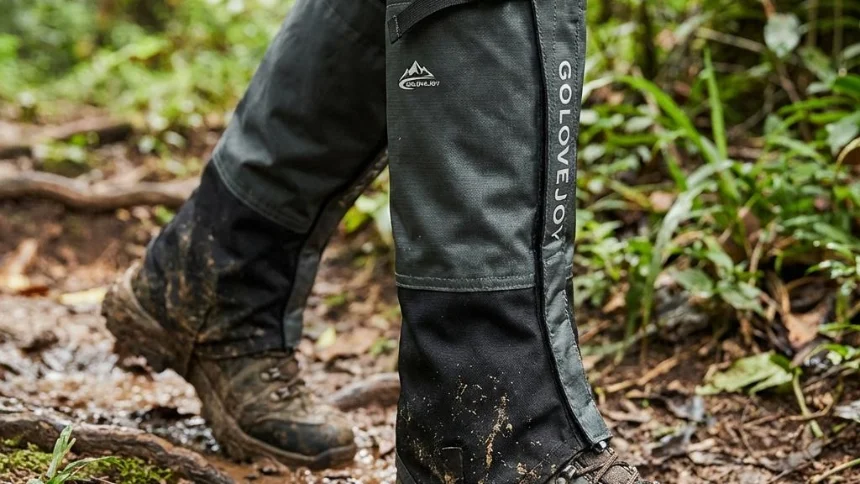
Hiking gaiters do a simple job: they help keep grit, mud, snow, and small bits of trail debris out of your boots. After a few outings, though, the fabric can collect dried mud, the closures can fill with grit, and the straps underneath can start to look worse for wear.
They rarely need an elaborate cleaning routine. The important part is removing abrasive dirt, checking the parts that take the most stress, and letting the gaiters dry fully before they go back into a pack or storage bin. Since fabrics and coatings vary, use the care label as your first reference.
Quick Answer
Shake off loose debris, brush away dried mud, and spot-clean dirty areas with cool or lukewarm water and a soft brush or cloth. Use a cleaner approved for the gaiter’s material if water alone is not enough. Rinse away residue, check the closures and underfoot strap, and air-dry completely away from direct heat. Do not machine-wash or apply waterproofing treatments unless the manufacturer says they are suitable.
Check the Material Before You Wash
Hiking gaiters may use coated synthetic fabric, breathable laminates, leather panels, or a combination of materials. A cleaning method that works for one pair may damage another, so check the care label before using detergent or a treatment product.
| Area or Material | Routine Care | Use Caution With |
|---|---|---|
| Synthetic fabric | Brush off dry dirt and wipe with a damp cloth. | Hot water, strong detergents, and high dryer heat. |
| Waterproof or breathable membrane | Use only a cleaner approved for the product. | Fabric softener, bleach, and unapproved water-repellent treatments. |
| Leather sections | Remove dirt gently and follow the maker’s leather-care instructions. | Soaking, harsh soap, and products not intended for that leather. |
| Underfoot strap | Wipe away grit and inspect for fraying or cuts. | Leaving packed mud around buckles or adjustment points. |
| Zippers, hooks, and closures | Brush away grit and wipe clean. | Forcing a stuck zipper or bending a hook back and forth. |
Clean Gaiters Step by Step
1. Remove loose dirt first
Take the gaiters off your boots and open the closures. Shake them out, then brush away dry mud, sand, grass, and small stones. Pay special attention to the bottom edge and the area around the underfoot strap, where grit can collect and rub against the fabric.
Removing loose dirt before adding water makes the rest of the job easier. It also reduces the chance of grinding grit into the fabric while wiping.
2. Spot-clean muddy areas
Use a soft brush or cloth with cool or lukewarm water. Work gently rather than scrubbing hard at one spot. If mud has dried into a thick layer, let it soften before brushing again.
For stubborn marks, use a small amount of cleaner specifically recommended for the gaiter material. Avoid household bleach, fabric softener, and strong stain removers unless the manufacturer explicitly approves them.
3. Clean closures and straps
Brush grit from zippers, snaps, hooks, and hook-and-loop fasteners. Move a zipper slowly; if it catches, check for trapped fabric or dirt instead of pulling harder. A damaged slider or bent hook may need replacement rather than more force.
Wipe the underfoot strap from end to end. If it is removable, follow the product instructions for taking it off and refitting it. Do not assume every strap is designed to be detached.
4. Rinse away cleaner
If you used soap or a gear cleaner, remove the residue according to the product instructions. Leftover cleaner can attract dirt or affect the feel of some fabrics. Avoid soaking the entire gaiter unless its care instructions allow it.
5. Air-dry fully
Open the gaiters and hang them in a well-ventilated place out of direct heat. Make sure folded edges, strap attachments, and closures have dried before packing them away.
Do not place gaiters on a radiator, use a hair dryer on high heat, or leave them against a stove or fire. Excessive heat can damage synthetic materials, coatings, adhesives, or elastic components.
Inspect the Parts That Wear Out First
Cleaning is a good time to catch small problems before they become inconvenient on the trail. Check the following areas after mud and grit have been removed.
-
Underfoot strap: Look for deep cuts, fraying, thinning, or damage near the attachment points.
-
Stitching: Check seams and reinforcement patches for loose threads or separation.
-
Closures: Make sure zippers run smoothly and hooks or snaps stay securely fastened.
-
Fabric: Look for holes, tears, peeling coatings, or areas that have become unusually brittle.
-
Fit and adjustment: Confirm that straps and closures still hold the gaiter securely around the boot.
A small fabric tear may be repairable with a patch suitable for the material. Damage to a load-bearing attachment, a badly worn underfoot strap, or a closure that will not stay shut may need a replacement part or professional advice. Do not rely on a temporary fix if the gaiter can no longer stay in place safely.
What About Waterproofing?
Not all gaiters are fully waterproof, and not every damp outer fabric means the membrane has failed. Dirt and body oils can affect the performance of some water-repellent finishes, but adding a treatment without checking compatibility can cause problems.
Start with the manufacturer’s cleaning instructions. If the maker recommends a compatible water-repellent treatment, apply it as directed and only after the gaiters have been cleaned. Do not use a generic spray simply because it is labeled waterproof; the fabric, coating, and intended use all matter.
Store Gaiters So They Are Ready for the Next Hike
Once they are completely dry, close any loose straps neatly and store the pair in a cool, dry place. Avoid leaving them crumpled under heavy gear, especially if they have stiffened panels or shaped sections.
Keep gaiters away from fuel, solvents, and sharp tools that could damage the fabric. If you store them with your boots, make sure both items are dry and that the underfoot straps are not sharply folded or trapped beneath heavy equipment.
Common Mistakes to Avoid
-
Washing before brushing: Loose grit can scratch or abrade the fabric when rubbed around with water.
-
Using strong cleaners: Harsh chemicals may affect coatings, membranes, or stitching.
-
Drying with direct heat: High temperatures can damage materials and bonded components.
-
Packing them damp: Trapped moisture can lead to musty odors and may affect some materials over time.
-
Ignoring the underfoot strap: This part takes repeated contact with the ground and deserves a close inspection.
-
Applying waterproofing products blindly: Treatments should be compatible with the specific gaiter fabric.
A Simple After-Hike Routine
Hiking gaiters do not need to be spotless after every walk. If they have only picked up a little dust, brushing them off and checking the straps may be enough. After muddy, wet, or gritty outings, clean the affected areas and give them time to dry before storage.
That small reset helps keep closures moving, makes wear easier to spot, and means the gaiters are less likely to come out of your pack damp or full of dried mud on the next trip. When in doubt, follow the care instructions supplied with your pair; they are the best guide to protecting its particular materials and construction.