How to Choose a Sleeping Bag Temperature Rating
Choose a sleeping bag temperature rating with beginner guidance on overnight lows, comfort, sleeping pads, clothing, moisture, and safety margins.

A sleeping bag temperature rating is a planning number, not a comfort guarantee. Beginners often discover this on cool nights when the bag looks warm on paper but the pad, damp air, wind, clothing, or campsite makes sleep colder than expected.
This guide is for ordinary camping and beginner backpacking. It is not winter camping, mountaineering, or medical cold-exposure guidance.
Quick Answer
Check the expected overnight low, choose a sleeping bag with a realistic comfort margin, pair it with an insulated sleeping pad, keep sleep clothes dry, and change plans if the forecast is colder, wetter, windier, or more exposed than your gear and experience can handle.
Start With The Overnight Low
Daytime temperature does not tell you how the night will feel. Check an official forecast for the campsite or nearest relevant area, then look at the overnight low, wind, precipitation, and weather alerts.
For public-land trips, also check park or land-manager alerts. The NPS Trip Planning Guide recommends checking weather, hazards, alerts, and your own limits before a trip.
Safety note: if the forecast includes dangerous cold, storms, flooding, heavy wind, or conditions outside your experience, choose a warmer location, a different date, or a frontcountry option.
Understand Rating Language
Sleeping bags may list different numbers, such as comfort, lower limit, or a simple advertised rating. Beginners should treat the warmer, more conservative number as more useful than the coldest number on the tag.
If the expected low is close to the bag’s rating, add margin rather than trying to be precise. Many people sleep colder than a rating suggests, especially when tired, damp, hungry, or on an inadequate pad.
The Pad Is Part Of The Rating Decision
The ground pulls heat away. A sleeping bag can have plenty of loft above you while still feeling cold underneath if the pad does not insulate well enough for the conditions.
For cold or cool camping, think of the sleep system as three parts:
- Sleeping bag or quilt.
- Sleeping pad insulation.
- Dry sleep clothing and shelter conditions.
For a broader cool-weather sleep setup, see How to Stay Warm While Camping in Cool Weather.
Choose More Margin When These Apply
Choose a warmer rating or a more conservative trip plan when:
- You are new to camping.
- You often feel cold at night.
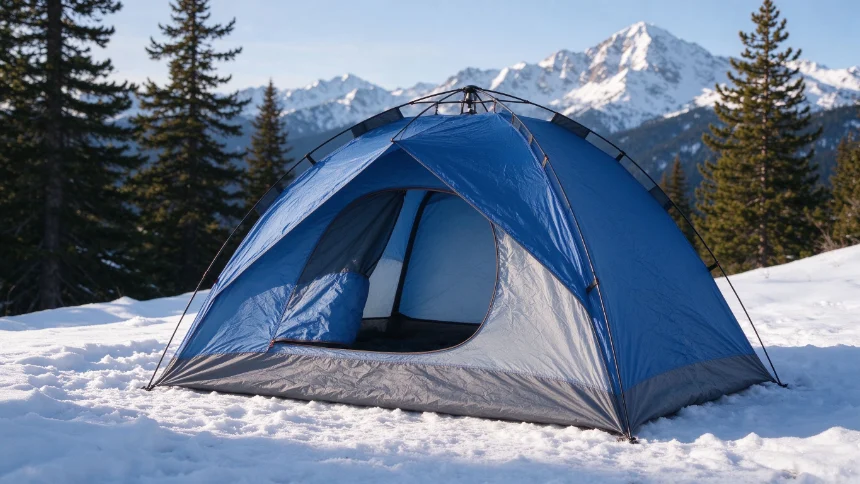
- The campsite may be damp, windy, or exposed.
- You are using an unfamiliar pad.
- You will be tired after a long hike.
- The forecast is uncertain.
- You cannot easily leave or warm up if the night goes poorly.
This is not about overbuying gear. It is about avoiding a first camping trip that becomes a cold endurance test.
Down, Synthetic, And Moisture
Down bags can pack small and feel warm for their weight, but they need careful moisture protection. Synthetic bags are often bulkier, but they can be more forgiving in damp beginner conditions.
Neither material performs well when neglected. Keep the bag dry, air it out after use, and store it loose when possible. If you use a down bag, How to Wash and Store a Down Sleeping Bag covers the care basics.
Easy Ways To Mess This Up
- Using the coldest advertised number as a comfort promise.
- Checking only the daytime high.
- Bringing a warm bag with an uninsulated pad.
- Sleeping in damp hiking clothes.
- Compressing a sleeping bag for long-term storage.
- Testing a new cold setup far from an easy exit.
When To Change Plans
Change the trip when the forecast drops below your sleep system margin, rain may soak gear, wind exposure is high, or you are unsure whether the campsite and gear match. A warmer campground, borrowed warmer bag, extra blanket for car camping, or different weekend is a better beginner choice than hoping the rating is enough.
FAQ
What sleeping bag temperature rating should beginners choose?
Choose a rating with margin below the expected overnight low, especially if you sleep cold, expect damp weather, or are new to camping.
Are sleeping bag temperature ratings guaranteed?
No. Ratings are planning tools, not promises of comfort or safety. Pad insulation, clothing, moisture, wind, shelter, and personal differences matter.
Does the sleeping pad affect warmth?
Yes. The pad insulates you from the ground. A warm bag on an uninsulated pad can still feel cold.
Should I choose down or synthetic for a sleeping bag?
Synthetic can be more forgiving in damp beginner conditions, while down packs smaller and lighter but needs careful moisture protection.