Rainy Day Hiking Checklist
Use a rainy day hiking checklist for route choice, rain layers, footwear, pack protection, visibility, safety, and post-hike drying.

A rainy hike can be pleasant when the route is easy and the weather is mild. It can also become uncomfortable fast if the trail is slick, the pack leaks, or the rain turns into thunder.
Use this checklist for light rain on beginner-friendly routes, not storms or flood-prone trails.
Quick Answer
Pack rain protection, dry storage, grippy footwear, warm layers for stops, navigation that works offline, a small light, and a post-hike drying plan. Change plans if rain comes with lightning, flooding, cold, high wind, or poor visibility.
Before You Leave
- Check the forecast beyond the rain chance: wind, temperature, thunder, flood alerts, and sunset.
- Choose a shorter, familiar route with easy turn-around points.
- Check official trail alerts for closures, washouts, or unsafe crossings.
- Tell someone the route and expected return time.
Safety note: the National Weather Service lightning safety overview says there is no safe place outside when thunderstorms are in the area. If thunder is possible, pick a different plan.
Wear And Carry
| Item | Why It Helps |
|---|---|
| Rain shell | Blocks rain and wet wind |
| Moisture-managing base layer | More comfortable when damp |
| Warm layer in dry bag | Useful during breaks |
| Grippy boots or shoes | Better on mud, roots, and wet rock |
| Brimmed cap | Keeps rain off face and glasses |
| Spare socks | Helpful after puddles or wet grass |
For broader clothing decisions, see What to Wear Hiking: A Beginner Layering Guide.
Protect The Pack
- Use a pack cover, liner, or dry bags.
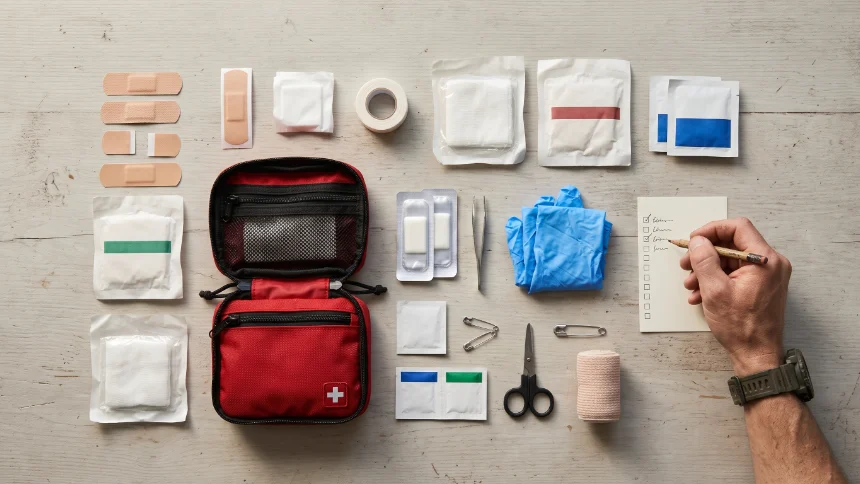
- Keep phone, headlamp, warm layer, and first aid basics dry.
- Put snacks in a sealed bag.
- Keep the rain jacket near the top, not buried.
On The Trail
Walk slower on wet roots, rock, boardwalks, and mud. Avoid widening trails by stepping around puddles where there is no durable surface.
Turn around if water rises over the trail, footing becomes uncertain, the group gets cold, or visibility drops. Hiking in the Rain: Beginner Tips and Gear Basics gives more decision context.
After The Hike
Remove boot insoles, hang rainwear, open the backpack, dry trekking poles, and spread damp layers. Use How to Dry Wet Hiking Boots the Right Way for footwear and How to Clean and Reproof a Rain Jacket if the shell wets out.
Common Mistakes
- Treating drizzle and thunderstorms as the same risk.
- Leaving dry layers loose inside a wet pack.
- Wearing cotton socks in cool rain.
- Assuming waterproof boots dry quickly.
- Forgetting a headlamp because the hike is short.
FAQ
What should I bring for a rainy day hike?
Bring a rain shell, grippy footwear, pack protection, dry storage for warm layers, food, water, navigation, a light, and first aid basics.
Should beginners hike in heavy rain?
Beginners should avoid heavy rain, lightning, flooding, cold exposure, poor visibility, and routes that become slippery or confusing.
Is a pack cover enough in rain?
A pack cover helps, but use a liner or dry bags for items that must stay dry.
What should I dry after a rainy hike?
Dry boots, socks, rainwear, backpack, trekking poles, maps, and any damp layers before storage.