Hiking Socks That Last: Preventing Odor, Wear, and Shrinkage
Wash, dry, inspect, and store hiking socks to reduce odor and wear while protecting the fibers and fit.
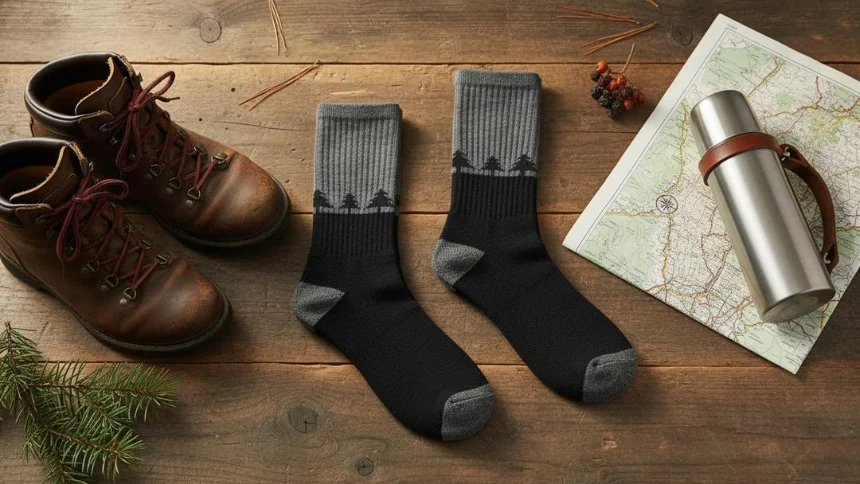
Hiking socks take a lot of friction. They sit against your skin for hours, absorb sweat, and rub inside your boots with every step. If they are washed carelessly, they can shrink, lose their shape, or wear thin sooner than expected.
You do not need a special laundry routine for every pair, but it helps to check the fiber content and follow the care label. A few simple habits—turning socks inside out, avoiding excessive heat, and letting muddy pairs dry before washing—can keep them comfortable for more hikes.
Quick Answer
Turn hiking socks inside out, separate them from rough items with zippers or hook-and-loop fasteners, and wash them according to the care label. Use a suitable detergent, avoid bleach and fabric softener unless the manufacturer specifically permits them, and choose a gentle or normal cycle appropriate for the fabric. Air-dry when possible, or use only the dryer setting allowed by the label. Never put away damp socks.
Check What Your Socks Are Made Of
Hiking socks often blend merino wool, nylon, polyester, and elastane. The blend affects how the sock handles moisture, stretches, and tolerates heat. The label on your particular pair should take priority over general advice.
| Fiber or Feature | Care Approach | What to Watch For |
|---|---|---|
| Merino wool blend | Use the temperature and cycle listed on the label; a gentle cycle is often appropriate. | Hot water and high heat may contribute to shrinkage or loss of shape. |
| Synthetic blend | Wash with a suitable detergent and avoid unnecessary heat. | Fabric softener may leave residue and can affect moisture-management performance. |
| Cushioned heel and toe | Wash normally within the label’s limits and inspect high-friction areas. | Repeated high heat and abrasion can wear the cushioning and fibers. |
| Compression-style hiking socks | Follow the manufacturer’s specific washing instructions. | Stretch and fit are important; avoid guessing at care requirements. |
Wash Hiking Socks Step by Step
1. Deal with mud and grit before washing
If your socks are caked with dried dirt, let the mud dry and brush or shake off what you can before putting them in the laundry. This keeps excess grit out of the wash and helps prevent dirt from being worked deeper into the knit.
If the socks are wet from a hike, do not leave them balled up in a boot or sealed inside a plastic bag. Separate them from the rest of your gear and let them air out until you can wash them.
2. Turn them inside out
The inside of a hiking sock collects sweat, skin oils, and small bits of lint. Turning the socks inside out helps the wash reach the surface that sits against your feet. Match pairs loosely rather than tying them together, which can stop water and detergent from circulating freely.
3. Keep them away from snagging items
Wash hiking socks with similar soft clothing when practical. Keep them away from open zippers, rough hook-and-loop fasteners, and items with sharp hardware. A mesh laundry bag can reduce tangling and snagging, especially if you are washing thinner socks.
4. Choose detergent and settings carefully
Use the detergent and water temperature recommended on the care label. More detergent does not necessarily mean cleaner socks; excess residue can remain in the fabric if the rinse is inadequate. Avoid bleach unless the manufacturer explicitly says it is safe for the specific sock, and skip fabric softener unless the care instructions allow it.
Do not assume every wool-blend sock must be hand-washed, or that every synthetic sock can tolerate a hot cycle. Fiber blends and construction vary, so the label is the safest guide.
5. Dry them completely
Air-drying is a straightforward choice for most hiking socks. Reshape them gently and hang or lay them in a ventilated place. If you use a dryer, follow the label’s heat setting rather than choosing a high setting to save time.
Before storing the socks, check the thicker heel and toe areas. They can hold moisture longer than the thinner sections. Socks should feel dry throughout, not just on the outside.
Keep Odor From Building Up
Hiking socks will get sweaty; that is normal. Persistent odor is more likely when used socks stay warm and damp in a closed boot, pack, or laundry bag. After a hike, take them off, separate them from dry clothing, and let them air until they can be washed.
-
Do not leave used socks rolled up in a pack for several days.
-
Wash them after use rather than relying on fragrance sprays to cover odor.
-
Make sure they dry fully before putting them in a drawer or gear bin.
-
Clean the insoles and allow boots to dry too, since odor can linger in footwear.
If socks still smell after a proper wash, check the care label and make sure detergent is rinsing out. Avoid escalating to harsh chemicals or very hot water without confirming that the fabric can handle them.
Inspect for Wear Before the Next Hike
Clean socks are easier to inspect. Check the heel, toe, ball of the foot, and the areas that sit against boot seams. These are common places for thinning because they experience repeated friction.
| What You Notice | What It May Mean | Practical Next Step |
|---|---|---|
| Thin or transparent patch | The knit is wearing down in a high-friction area. | Replace the pair if the area is close to a hole or no longer cushions comfortably. |
| Hole or split seam | The sock may rub or bunch against the foot. | Repair only if the fix will lie flat and not create a pressure point; otherwise replace it. |
| Loose elastic or slipping cuff | The sock may no longer stay in position. | Test it on a short walk before relying on it for a longer hike. |
| Persistent rough or matted patch | Fibers may have pilled, felted, or worn unevenly. | Check comfort and fit; retire the pair if it creates rubbing. |
A small cosmetic pill does not automatically mean a sock is finished. Comfort matters more: if a sock slips, bunches, has a hard lump, or has a thin spot where your foot rubs, it may be time to replace it before a long outing.
Common Sock-Care Mistakes
-
Using too much heat: High heat can affect wool blends, elastic, and overall fit.
-
Leaving socks inside boots: Trapped moisture slows drying and can worsen odor.
-
Washing with rough gear: Zippers and hook-and-loop fasteners can snag the knit.
-
Using fabric softener automatically: It may leave a coating that is not ideal for moisture-managing fabrics.
-
Putting them away slightly damp: Moisture can build up in a drawer or storage bin.
-
Ignoring worn spots: A thinning heel or toe can become uncomfortable during a long hike.
Store Hiking Socks So They Keep Their Shape
Once fully dry, fold or roll socks loosely and keep them in a clean, dry drawer or gear organizer. Avoid stretching the cuffs tightly around the rest of the pair for long periods. Keep clean socks separate from muddy footwear, damp rain gear, and used laundry.
For a trip, pack a dry spare pair in a clean waterproof bag if the weather or route makes wet feet likely. Keep that bag separate from used socks so the spare pair stays dry when you need it.
A Simple Routine That Works
After each hike, take socks out of your boots, let them air, and wash them according to their labels. Before the next trip, check that they are completely dry and that the heel, toe, and cuff still feel comfortable.
Good sock care cannot fix a poor fit or a boot that rubs in the wrong place, but it can help preserve the fit and cushioning you already have. If your socks repeatedly bunch or cause hot spots, review the sock thickness, boot fit, and lacing together rather than trying to solve every problem in the laundry.