Weekend Camping Checklist
Use a beginner weekend camping checklist for shelter, sleep, food, water, clothing, safety, stove, fuel, weather, and cleanup.

A weekend camping checklist should make the trip calmer, not heavier. The goal is to cover shelter, sleep, food, weather, light, safety basics, and cleanup without packing every outdoor item you own.
My first weekend list was three pages long and half of it never left the car. The version below is closer to what I actually use now: short, frontcountry-friendly, and biased toward staying dry and sleeping well.
This checklist is for beginner frontcountry camping where you drive to or near the campsite.
Quick Answer
For a weekend camping trip, pack a tent, stakes, sleeping pad, sleeping bag, weather-appropriate clothing, food, water, cooking setup or no-cook meals, headlamp, first aid basics, toiletries, trash bags, and after-trip drying space at home. Add items based on campground rules, weather, and group needs.
Shelter And Sleep
| Item | Notes |
|---|---|
| Tent, poles, stakes, rainfly | Test setup at home before first trip |
| Footprint or groundsheet | Use if it fits your tent and campsite |
| Sleeping pad | Comfort and ground insulation |
| Sleeping bag or bedding | Match overnight low and conditions |
| Pillow or stuff-sack pillow | Small comfort item |
| Sleep clothes and dry socks | Keep separate from wet day clothes |
For tent care after the trip, use Tent Care Guide: Cleaning, Drying, Repair, and Storage.
Food, Water, And Camp Kitchen
Pack simple meals. A first weekend is not the best time for complicated cooking. Bring enough water or confirm potable water availability before leaving.
| Item | Notes |
|---|---|
| Food and snacks | Familiar, easy to prepare |
| Water bottles or jug | Confirm local water availability |
| Cooler if needed | Keep perishable food cold |
| Stove and fuel if using | Follow manual and local rules |
| Lighter or matches if allowed | Store dry and safely |
| Cookware and utensils | Keep simple |
| Trash bags | Pack out or dispose of properly |
| Dish cleaning kit | Follow campground rules |
Safety note: do not cook inside a tent. Keep fuel away from heat and flame, and check fire restrictions before the trip. For stove care, see How to Maintain a Camping Stove Safely.
Clothing And Weather
Pack for the overnight low, not only the afternoon. Bring a warm layer, rain layer, spare socks, sleep clothes, and shoes that can handle the campsite surface.
The National Park Service Ten Essentials include insulation, illumination, first aid, food, water, and shelter. Use that list as a planning check, then adapt to your campground and weather.
Safety note: postpone if weather is outside your gear or experience, especially lightning, flooding, dangerous heat, dangerous cold, wildfire smoke, or high wind.
Safety, Comfort, And Personal Items
- Headlamp or lantern plus spare power.
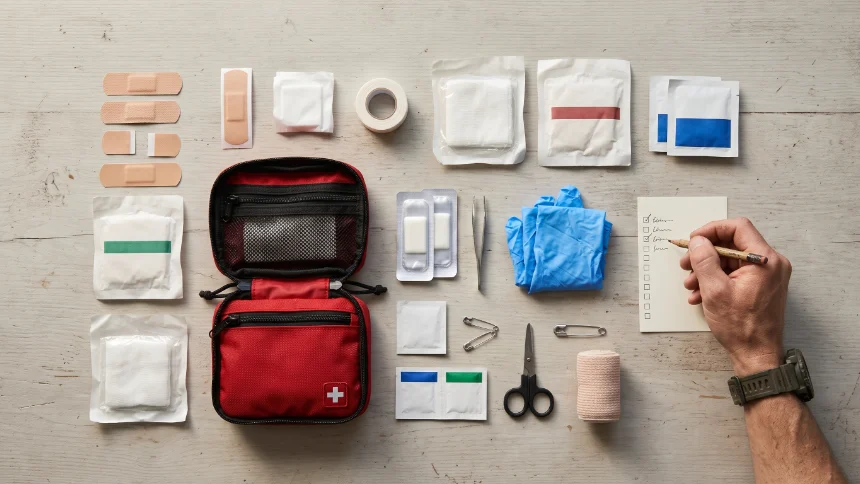
- First aid basics and personal medication.
- Toiletries and hand hygiene items.
- Sunscreen and insect protection as appropriate.
- Camp chairs if car camping.
- Reservation details and ID if needed.
- Map or campground information.
- Repair tape, cord, and a small multi-use repair item if allowed by your rules and comfort level.
Avoid bringing items that create risk or conflict with campground rules. This checklist does not include weapons, extreme survival tools, or tactical gear.
Before You Leave Camp
Pick up all trash, check under the picnic table, clean cooking areas, and make sure fire areas are cold and safe according to local rules. Pack food and scented items properly until you leave.
At home, dry the tent, air out sleeping bags, clean cookware, recharge lights, and store gear with How to Store Outdoor Gear Between Trips.
Common Mistakes
- Forgetting stakes or poles.
- Bringing a stove but no fuel, or fuel but no compatible stove.
- Packing warm clothes but leaving them damp.
- Not checking campground water availability.
- Leaving food or trash loose overnight.
- Packing the tent away wet and forgetting it.
FAQ
What should beginners pack for weekend camping?
Pack shelter, sleep gear, weather-appropriate clothing, food, water, cooking gear, light, first aid basics, hygiene items, and cleanup supplies.
Do I need a stove for weekend camping?
Not always. No-cook meals can work, but if you bring a stove, follow the manual, fuel instructions, and local fire rules.
How do I keep food safe at camp?
Follow local food storage rules, keep food out of the tent, seal trash, and clean cooking areas after meals.
What should I do after returning home?
Dry damp gear, clean cookware, remove food and trash, recharge lights, and note repairs before storing everything.