Hiking in Hot Weather: How to Recognize and Prevent Heat Illness
Learn how to hike safely in hot weather, recognize heat exhaustion and heat stroke, stay hydrated, and respond to heat-related emergencies on the trail.
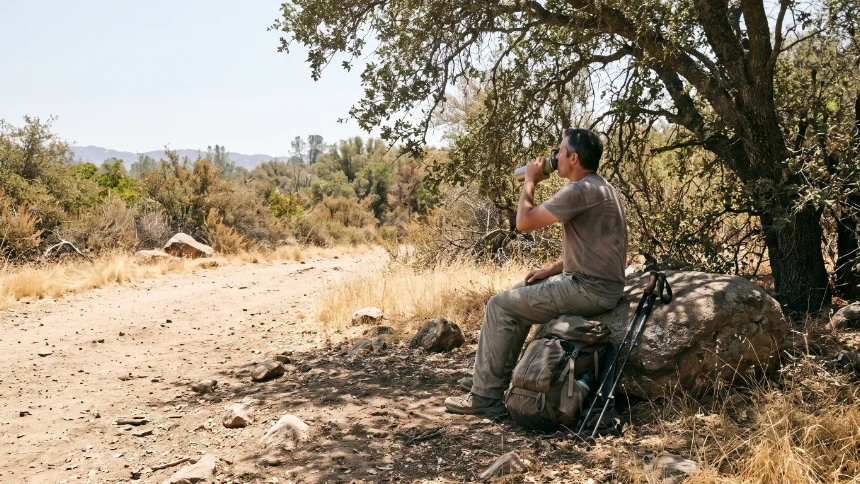
Sunny weather can make a hiking trail look inviting, but high temperatures can turn an enjoyable outing into a dangerous experience. Climbing hills, carrying a loaded backpack, and walking in direct sunlight all increase the strain on your body. High humidity can make the situation worse by slowing the evaporation of sweat.
Safe summer hiking starts before you reach the trailhead. By choosing an appropriate route, carrying enough water, taking regular breaks, and recognizing early warning signs, you can reduce the risk of heat-related illness and make better decisions when conditions change.
1. Check Conditions Before Leaving
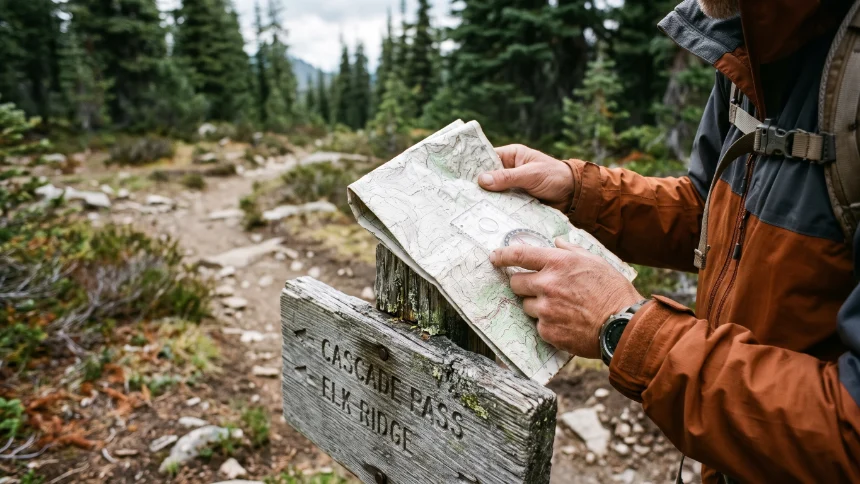
Do not judge trail conditions by the temperature outside your home. Exposed ridges, rocky slopes, and areas without tree cover can feel much hotter than shaded locations. Humidity, direct sunlight, elevation, and the difficulty of the route also affect how hard your body must work.
Before your hike, check the local forecast, heat advisories, trail conditions, and any park warnings. Look for information about water availability, shade, and exit points along the route.
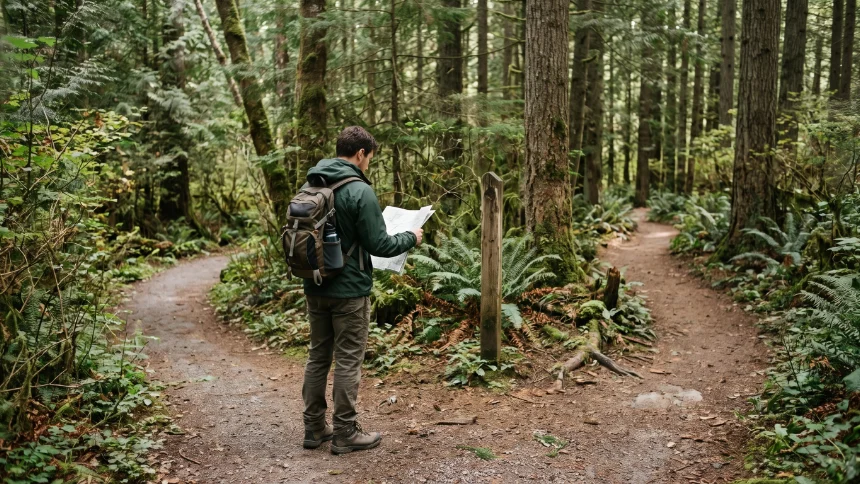
If extreme heat is expected, choose a shorter and easier trail, start during the cooler part of the day, or postpone the hike. Avoid committing to a route simply because you have already planned it. Turning back or changing plans is a sensible safety decision, not a failure.
2. Carry Enough Water and Plan Your Refills
Water needs vary with temperature, body size, exertion, and individual health. There is no single amount that works for every hiker. Estimate your needs for the entire trip and carry extra for delays or unexpected changes.
-
Drink regularly instead of waiting until you feel extremely thirsty.
-
Identify reliable refill points before setting out.
-
Do not assume stream or spring water is safe without appropriate treatment.
-
For prolonged activity and heavy sweating, consider your individual needs and seek professional advice if appropriate.
-
Avoid relying on sugary energy drinks or alcohol to manage hydration.
Do not force yourself to drink excessive amounts of water. Drinking far more than your body needs can also be dangerous. Adjust your intake to the conditions and your activity, and seek professional advice if you have a medical condition that affects fluid balance.
3. Wear Clothing That Helps You Stay Cool
Choose lightweight, breathable clothing that allows sweat to evaporate. Loose-fitting, light-colored garments can help reduce heat absorption from sunlight. A breathable hat with a brim provides shade for your face and neck, while sunglasses and sunscreen help protect exposed skin.
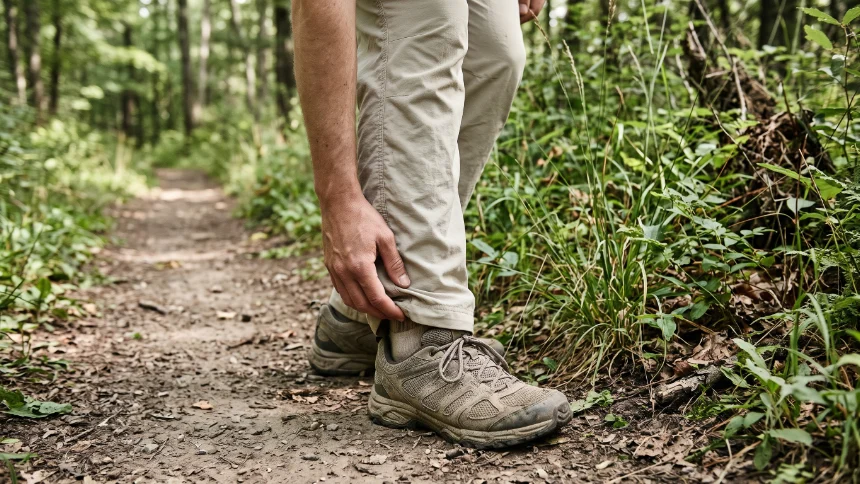
Plan clothing around the actual trail conditions rather than assuming that less clothing is always safer. Sun exposure, insects, abrasive vegetation, and changing weather may make additional coverage useful. A lightweight layer can also help protect your skin when you stop moving or enter a cooler, windy area.
4. Adjust Your Pace and Take Breaks
Hot-weather hiking requires more conservative pacing. Begin slowly, especially on steep climbs, and take breaks before you become exhausted. Whenever possible, rest in shade and avoid spending long periods on exposed slopes during the hottest part of the day.
Pay attention to how you feel rather than trying to maintain a planned speed. If your breathing becomes unusually difficult, your legs feel weak, or you develop a headache or dizziness, stop and reassess. Continuing uphill to reach the next viewpoint can make an emerging problem much worse.
Hiking with a companion adds another layer of protection. Agree to check on each other regularly, and take changes in mood, coordination, or behavior seriously.
5. Recognize the Warning Signs of Heat Illness
Heat-related illness can progress quickly. Early symptoms should never be dismissed as ordinary tiredness, especially when someone has been exercising in hot conditions.
Heat Exhaustion
Possible symptoms include heavy sweating, headache, nausea, dizziness, weakness, unusual thirst, and a rapid heartbeat. The person may look pale, feel faint, or struggle to continue walking.
If these signs appear, stop hiking immediately. Move to a shaded or cooler location, loosen unnecessary clothing, wet the skin with cool water, and use cool wet cloths or other available cooling methods. If the person is fully alert and able to swallow safely, offer small, frequent sips of water or an appropriate electrolyte drink.
Seek medical assessment. Call emergency services if symptoms are severe, worsen, or do not improve promptly. Do not resume the hike simply because the person feels slightly better.
Heat Stroke
Heat stroke is a life-threatening emergency. Warning signs include confusion, unusual behavior, slurred speech, seizures, collapse, or loss of consciousness. Skin may be hot and dry or heavily sweaty; sweating does not rule out heat stroke.
If heat stroke is suspected, call emergency services immediately and begin rapid cooling. Move the person out of direct sunlight, remove unnecessary outer clothing, wet the skin with cool water, fan them, and apply cold wet cloths or ice packs to areas such as the neck, armpits, and groin when available.
Stay with the person and follow emergency dispatcher instructions. Do not give drinks to someone who is confused, having seizures, or unconscious. Do not delay the emergency call while trying home remedies.
For more detail on warning signs and emergency cooling, see the CDC guidance on heat-related illnesses.
6. Know When to Turn Back
Heat can affect your judgment as well as your physical performance. A route that seemed manageable at the trailhead may become unsafe when temperatures rise or water supplies run low.
Turn back or leave the trail when:
-
You or a hiking companion develops symptoms of overheating.
-
Your water supply is running lower than expected and safe refills are uncertain.
-
The route is taking longer than planned, leaving you exposed during peak heat.
-
Weather alerts or trail conditions make continuing unsafe.
-
A member of the group cannot maintain a safe pace or needs repeated unscheduled stops.
If someone becomes seriously ill, prioritize emergency assistance over reaching the trailhead on foot. Use the local emergency number, contact park staff where available, and provide your location as accurately as possible. Do not leave a seriously ill person alone to seek help unless there is no safer alternative.
7. Make a Simple Heat-Safety Plan
A few preparations can make decisions easier when the weather becomes uncomfortable:
-
Choose a route that matches your fitness and experience.
-
Check the forecast and identify shaded rest areas and exit routes.
-
Carry enough water, food, sun protection, and a way to contact help.
-
Tell someone where you are going and when you expect to return.
-
Agree with your hiking companions that anyone can call for a break or turn back.
-
Learn the signs of heat exhaustion and heat stroke before the trip.
People who are older, have certain chronic health conditions, or take medicines that affect sweating, hydration, or temperature regulation may need extra precautions. Ask a healthcare professional about personal risks when necessary, and do not stop prescribed medication without medical guidance.
Stay Flexible, Stay Safe
Good hot-weather hiking is about managing risk, not proving endurance. Check conditions before leaving, drink sensibly, pace yourself, and pay attention to changes in your body and your companions. Most importantly, act early when warning signs appear.
A shorter hike, an earlier start, or a decision to postpone can protect both your health and your enjoyment of the outdoors. The best outcome is not reaching every planned destination; it is returning safely.